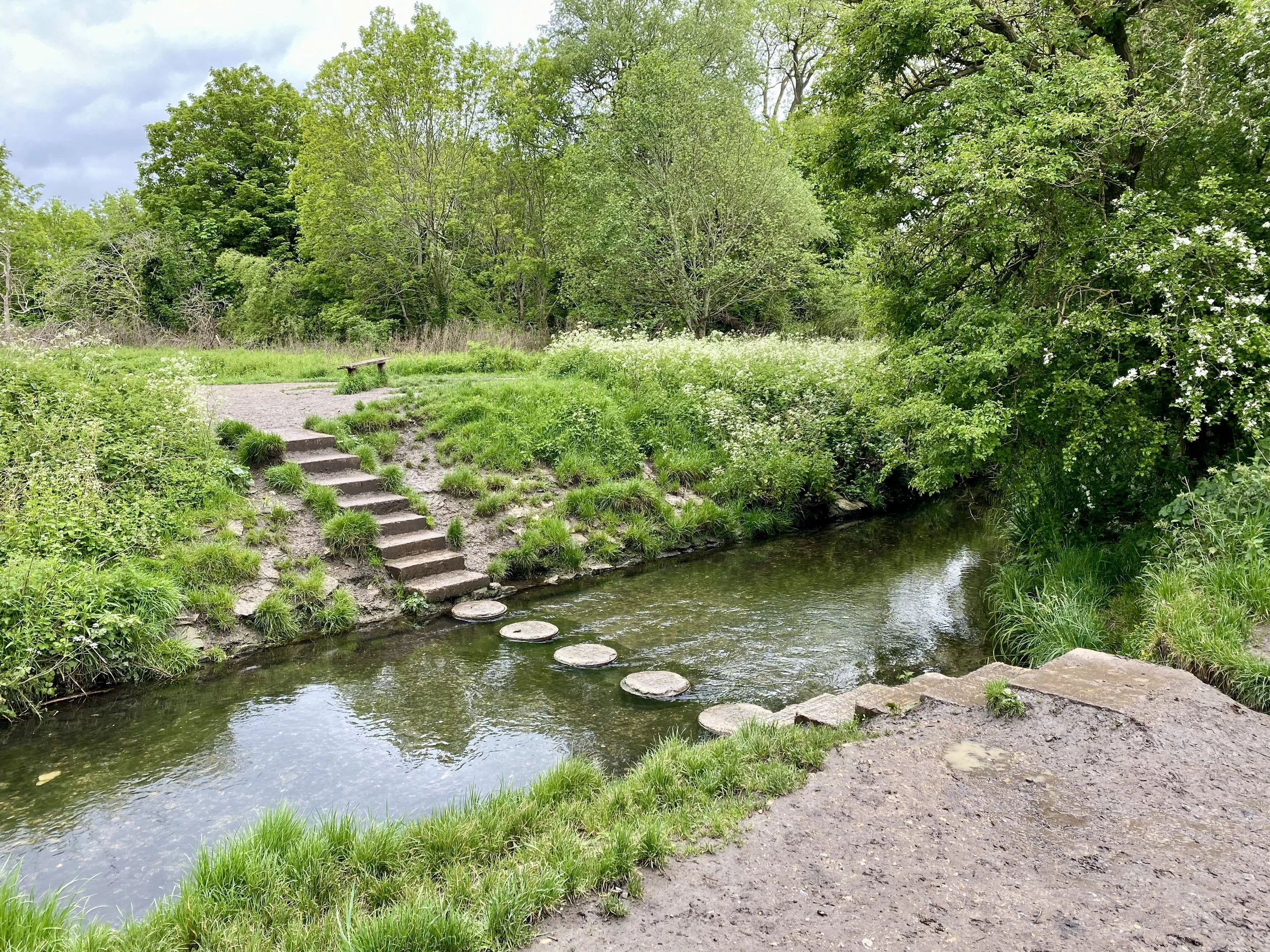
In Hogsmill heaven

Avenues of green through Epsom, beside a beautiful English chalk stream

#riversidewalks #urbangreenspace #historicsites

Length: 10.2 miles (16.4km)

Hills: ↑ 413 feet

  • Parking: Free at start - Nonsuch Park

    Subject to opening times. Expect the gates to close around sunset.

    Alternatives: Lots of free street parking along this route, notably around Mile 5 on Rollesby Road.

  • Easy

    The nearest station on route is Ewell West, less than half a mile from where you join the Hogsmill river at Bourne Hall (Mile 1.75/8.75) Alternatively, Cheam station is 0.7 miles from the start of the walk (and handy for some nice pubs).

  • Nice café at Start/End of the walk in Nonsuch Park, otherwise best facilities are in Ewell around Mile 1.5/8.5, but there are others along the route too.

    Nonsuch Pantry Cafe, Nonsuch Place, SM3 8AL

    Sweet little café inside Nonsuch Mansion with indoor and outdoor seating and a nice selection of cakes, plus ice cream.

    The Spring Tavern, Ewell, KT17 2AY

    Big, spacious but busy gastropub with a good selection of food and epic Sunday roasts. Dogs welcome in the bar area.

    The William Bourne, Chessington, KT9 2BQ

    Nice local pub with fancy food to suit all tastes including vegans. Big beer garden.

  • Mile 1.5 Ewell High Street has a Sainsbury’s as well as cafés and a bakery further down.

    Mile 6 Tesco Express just by the roundabout on Chantilly Way
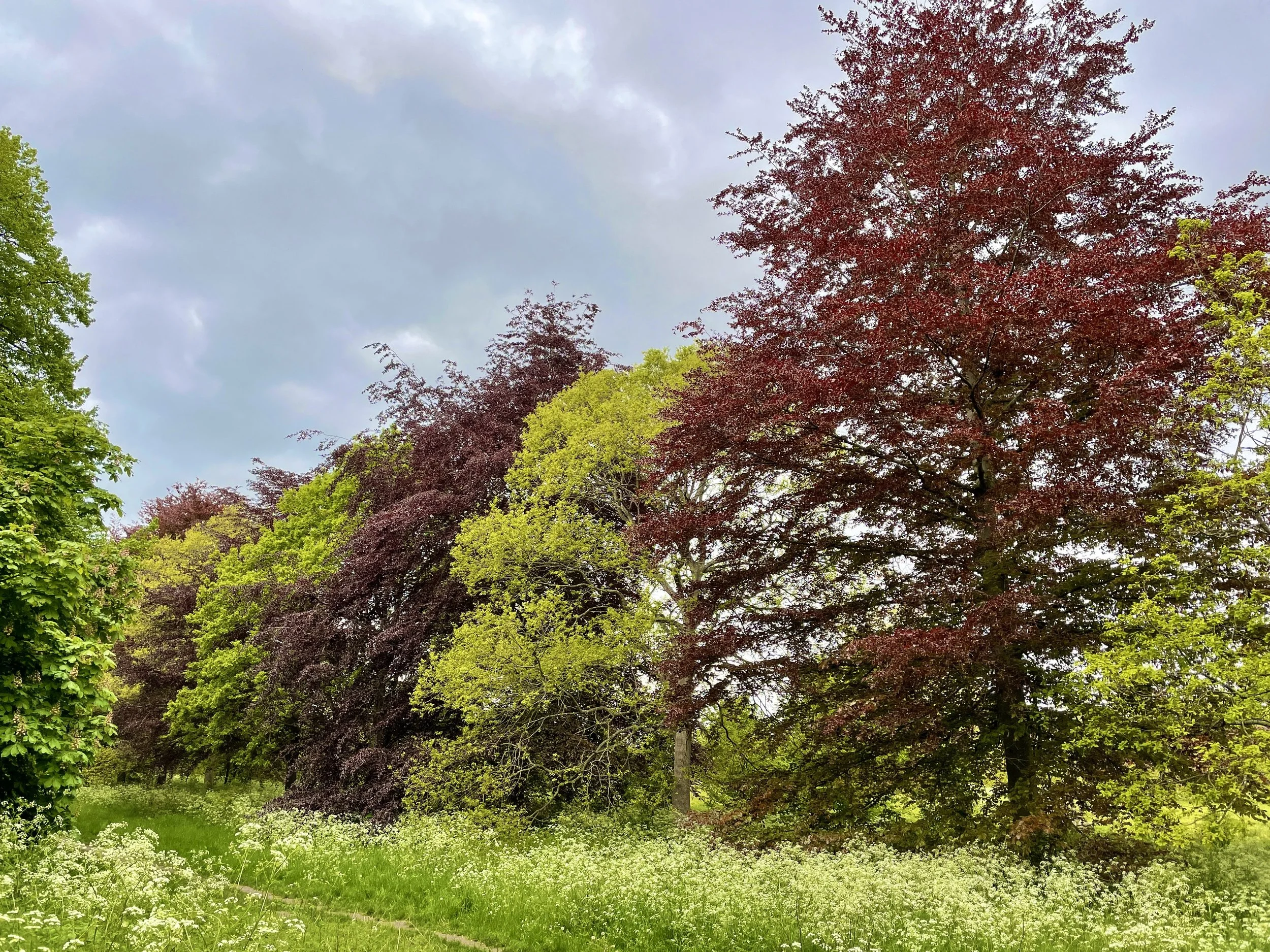
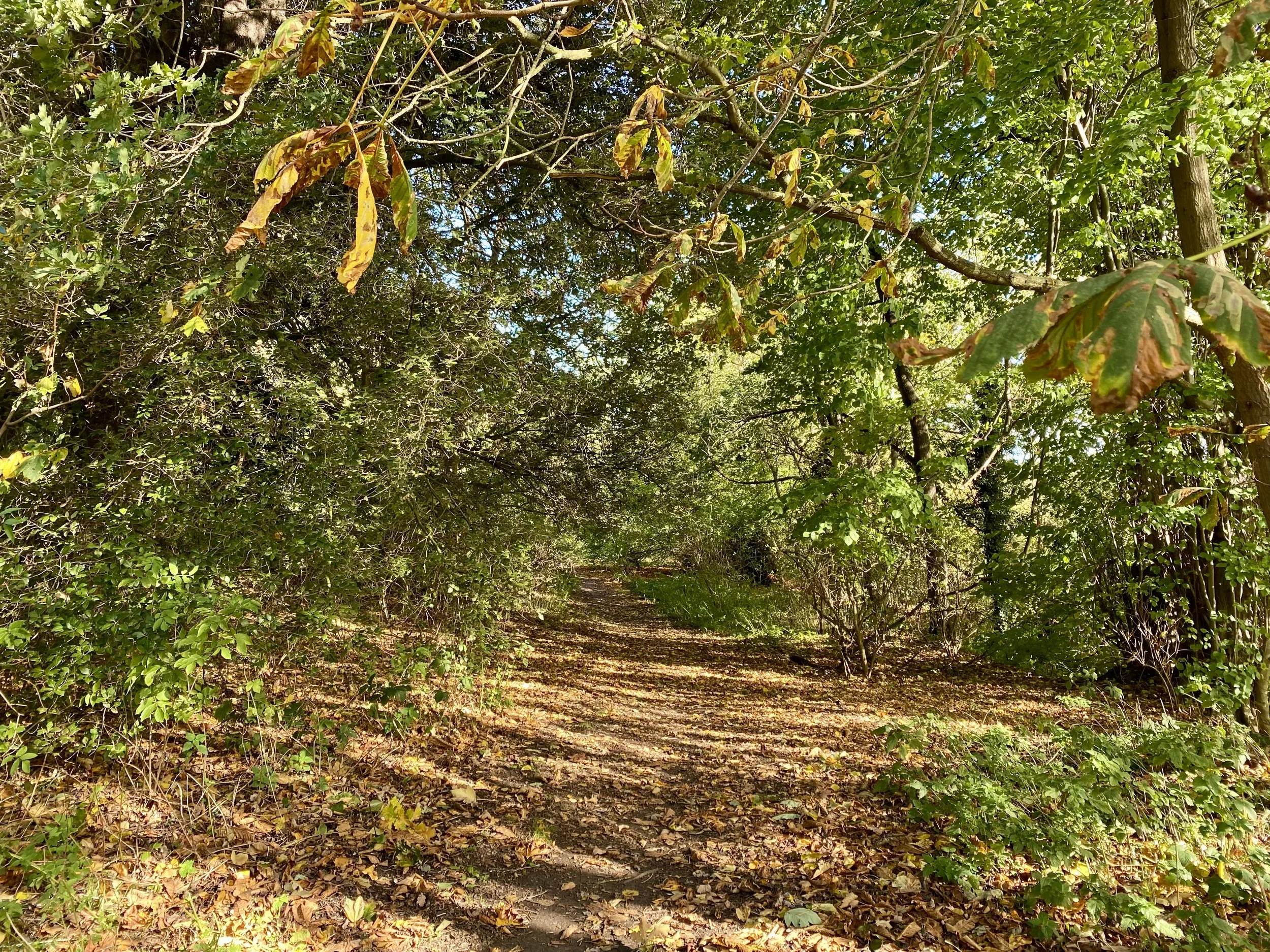
Row of alternating copper and classic beech trees at Nonsuch Park, Cheam

Copper and classic beech trees at Nonsuch Park
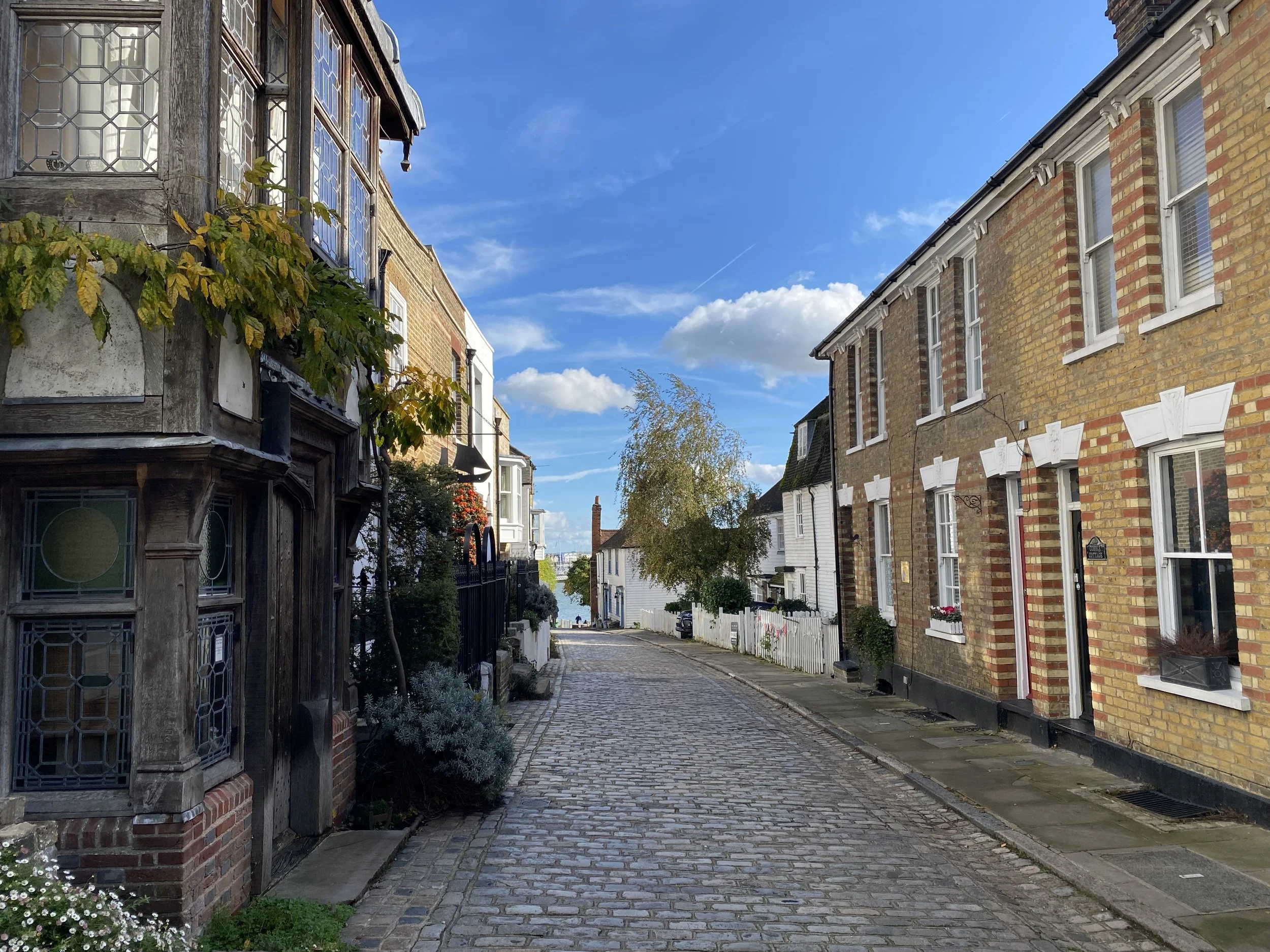
Photo Gallery

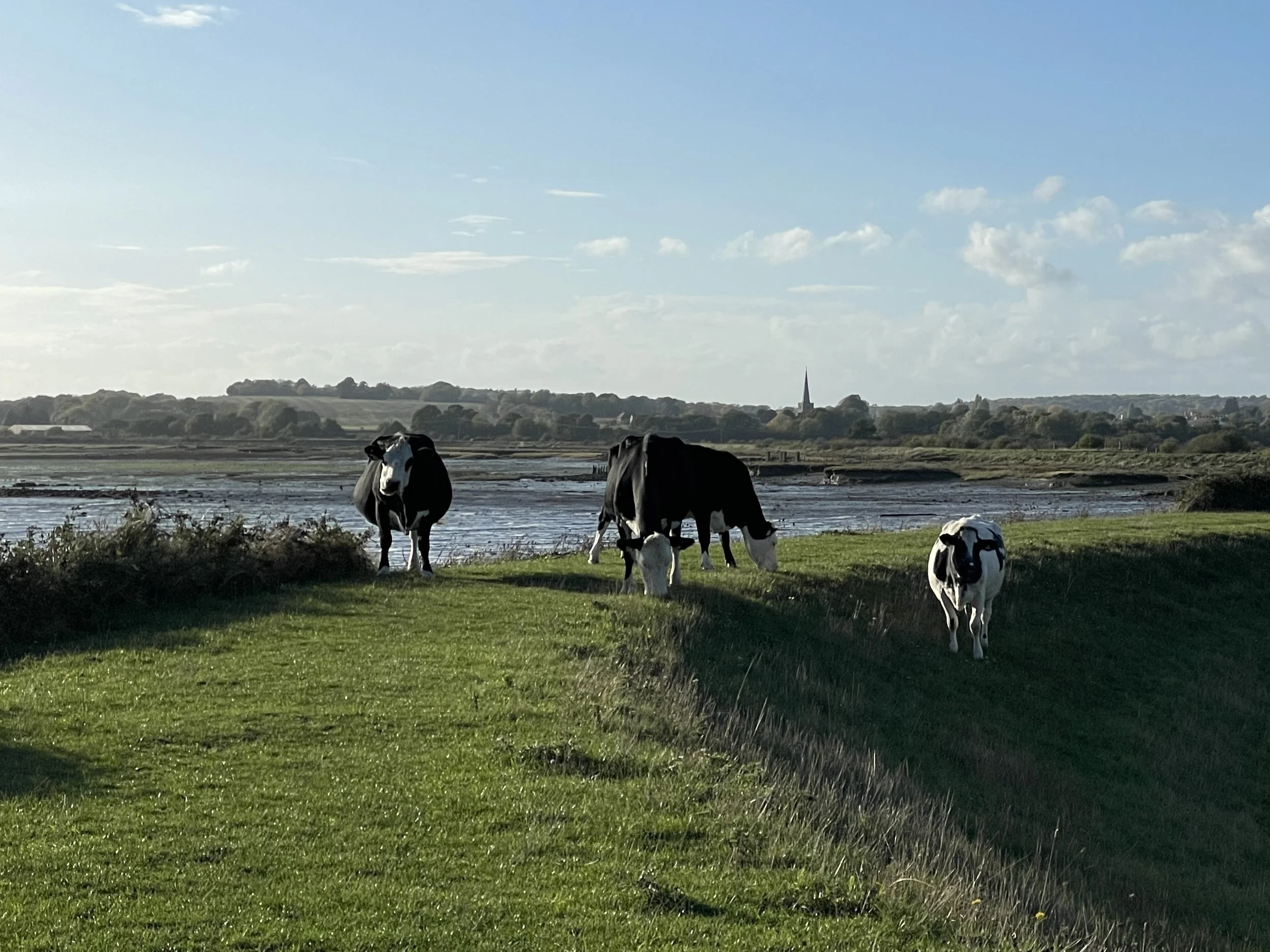
“It took me a while to fall in love with the Hoo peninsula. The first time I visited I thought it was bleak and desolate, abused by centuries of human exploitation. But it’s actually a wildlife haven with an incredible history. Though pockets are blighted by grand industry, there are swathes of tranquility and natural beauty. As sites are used and abandoned, nature creeps quietly back over them, as inevitable as the tides, and there is a rough, derelict appeal.”

What to see on the route

  1. Upnor Castle

    Built in 1559 on the orders of Queen Elizabeth I, Upnor Castle faces grandly onto the Medway, making it tricky to see from this side of the river, but you do catch glimpses of it now and then. It was a key defensive point, until it was breached by the Dutch fleet in 1667, in what has been called the worst naval defeat England has ever sustained. Across the water lies St Mary’s Island. During the Napoleonic Wars, prison hulks for the French prisoners were docked in the river here. Disease was rife and the soldiers who died were buried on the island. Now it’s all fancy riverside properties.

  2. St Philip & St James CofE Church

    This brick church was built in 1884 has remained virtually unaltered. It’s still in use today. It has a plaque in remembrance of two brothers who died travelling into the Congo with Henry Morton Stanley - the man most famous for saying ‘Doctor Livingstone, I presume?’.

  3. St Werburgh Church and Veteren Yew

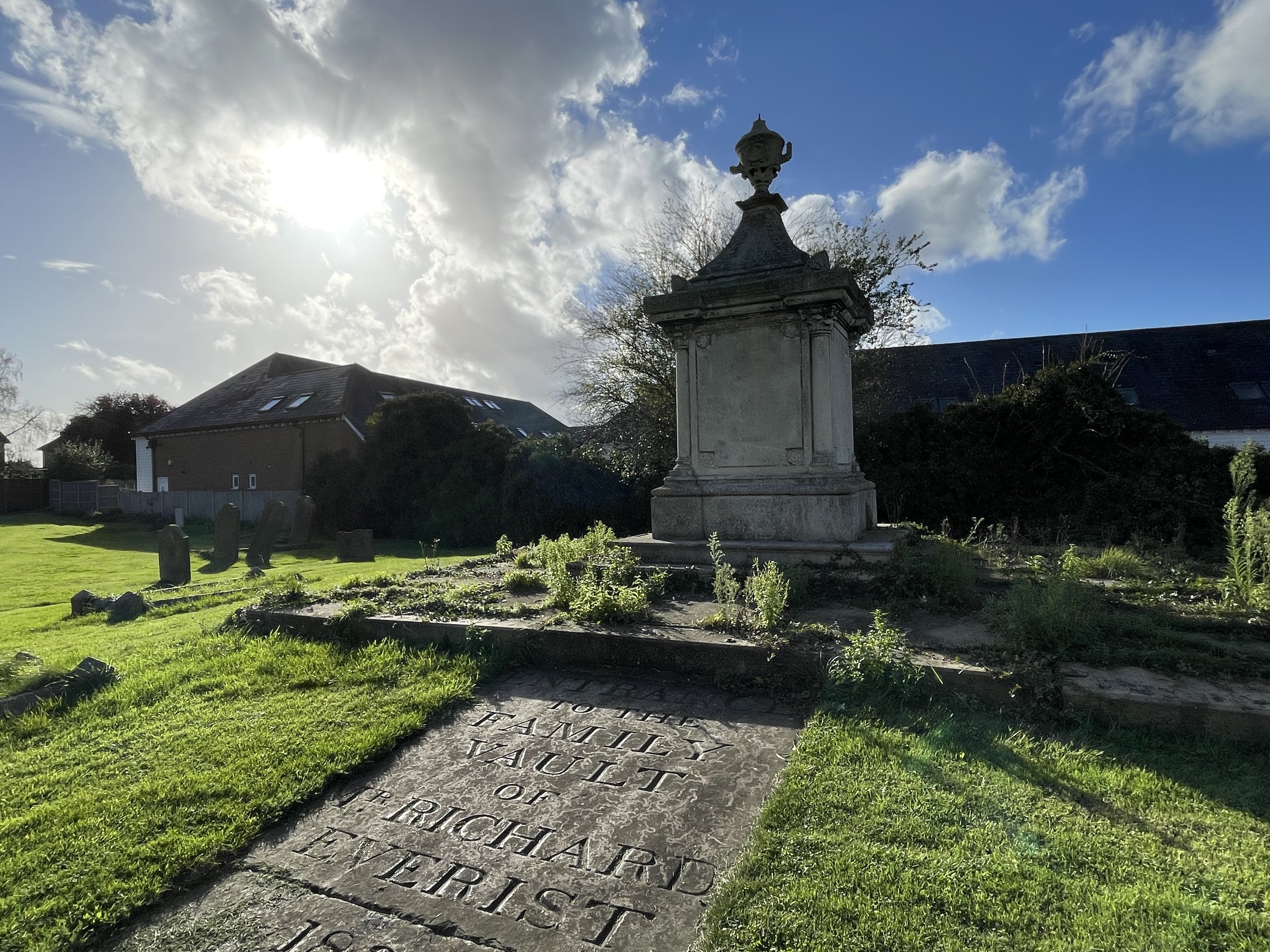
    This 12th/13th century church towers over the flat landscape for miles, especially now it no longer has to compete with the chimney from the Kingsnorth Power station (see below). St Werburgh was an Anglo-Saxon princess, daughter of King Wulfhere of Mercia. She founded a nearby nunnery, though nothing remains of it now. In the churchyard is a veteran yew tree - probably 800 or 900 years old, just like the church. In 2003 the village hit the headlines when the 600-year-old body of a teenage girl was discovered, buried under a holly tree in unconsecrated ground. She had been decapitated - a sign that she had probably be tried as a witch and executed. In 2007 “Holly” was given a proper burial in the churchyard. Hundreds of people attended the service.

  4. Kingsnorth Power Station (site of)

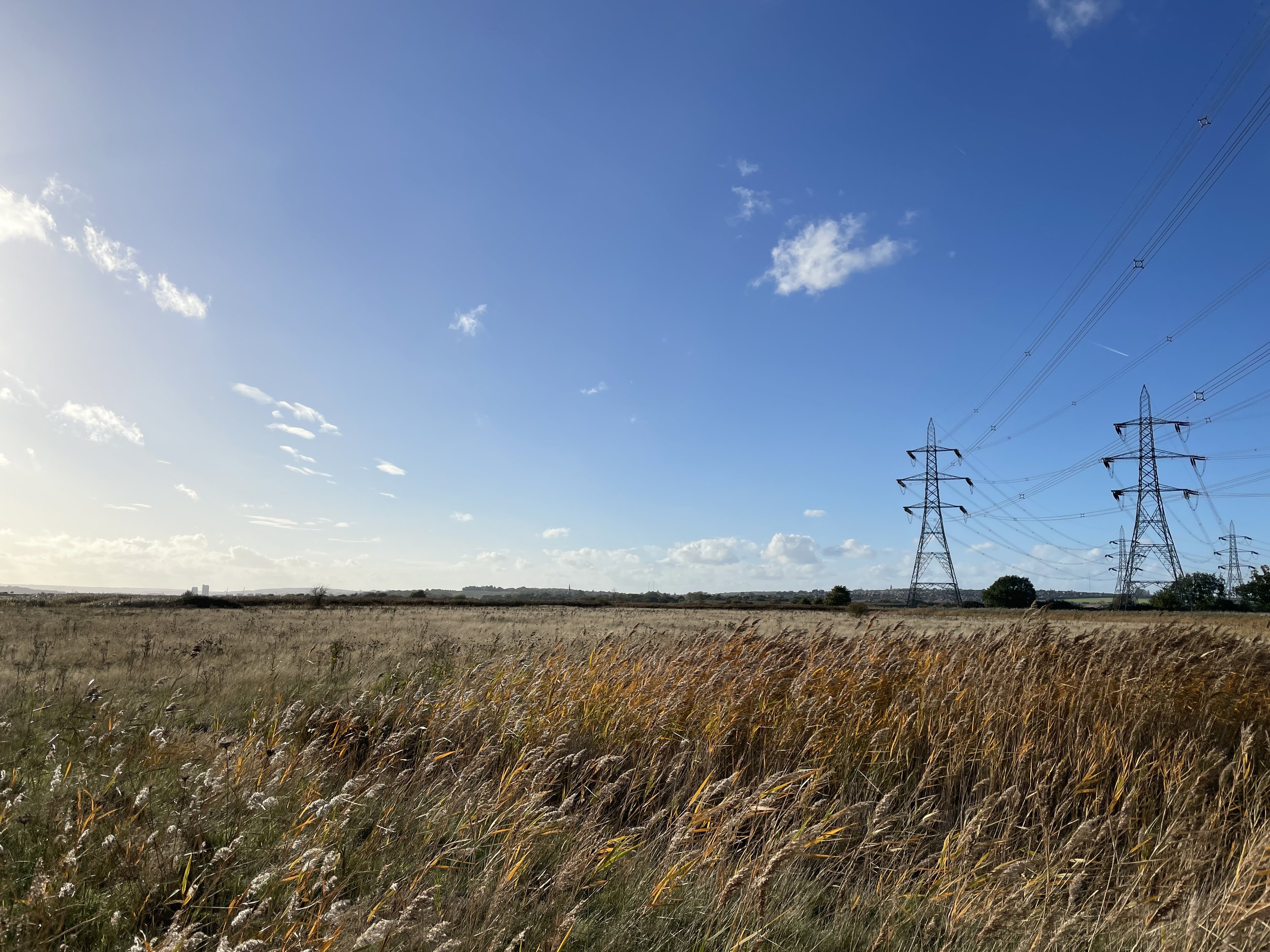
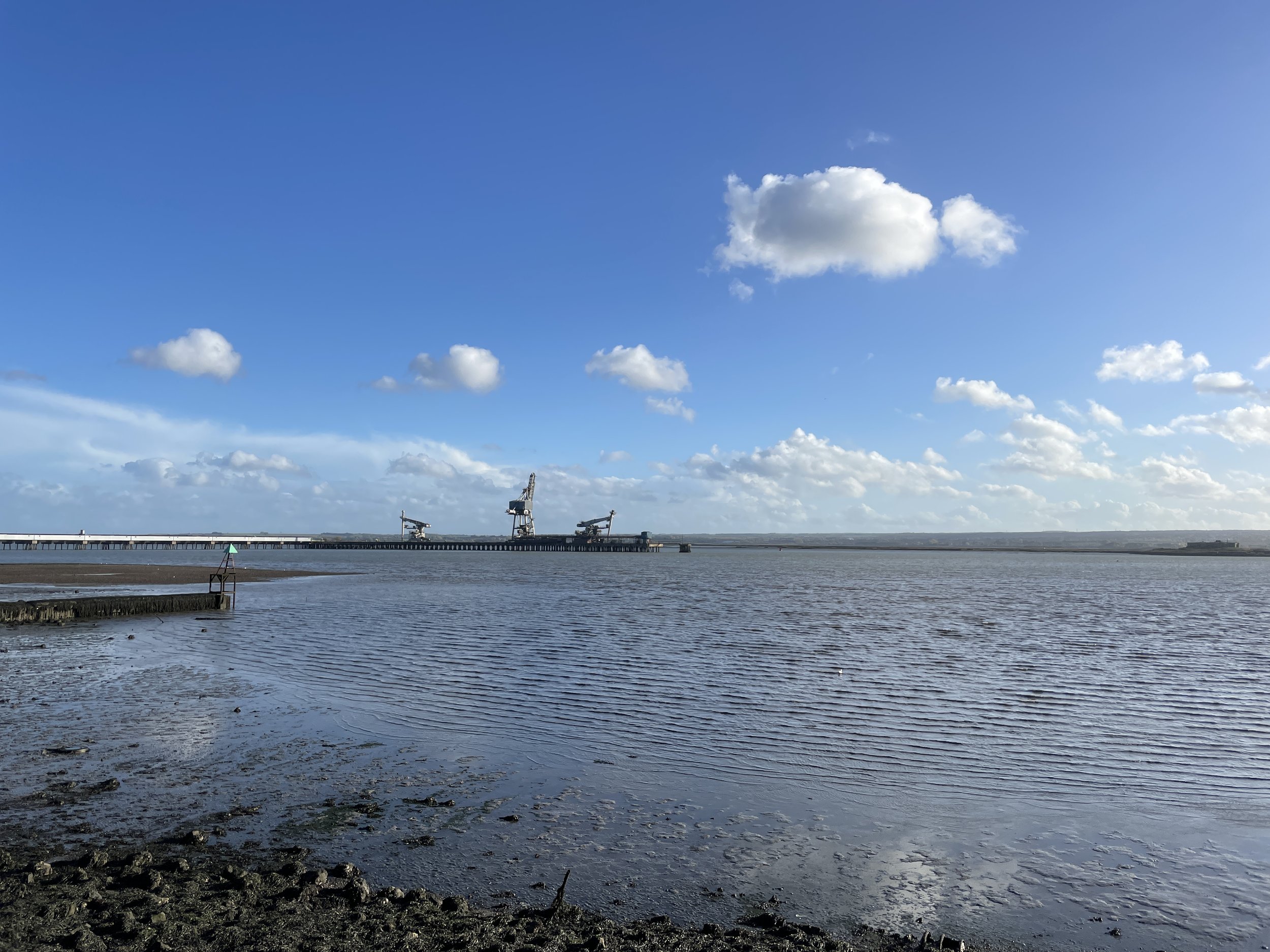
    Opened in 1970 and decommissioned in 2012, Kingsnorth was the fifth biggest polluter in the UK, and the site of more than its fair share of protests. In 2007, six Greenpeace protestors broke in to the site, climbed the 200m high concrete chimney and wrote ‘Gordon Bin It’ down the side, in protest of plans to replace the ageing power station with a new coal-fired one (in fact, they only got as far as ‘Gordon’). Charged with property damage, the Kingsnorth Six argued in court that they were in fact attempting to prevent property damage as a result of climate change, and were acquitted in a landmark ruling. Plans for the proposed replacement power station - which would have ten times as much pollution as the whole of Rwanda each year - were scrapped. The site was demolished between 2014 and 2018 using controlled explosions. You can still see the huge pier where the coal ships arrived. There are plans to redevelop the land for commercial and energy use.

  5. The Medway marshes and forts

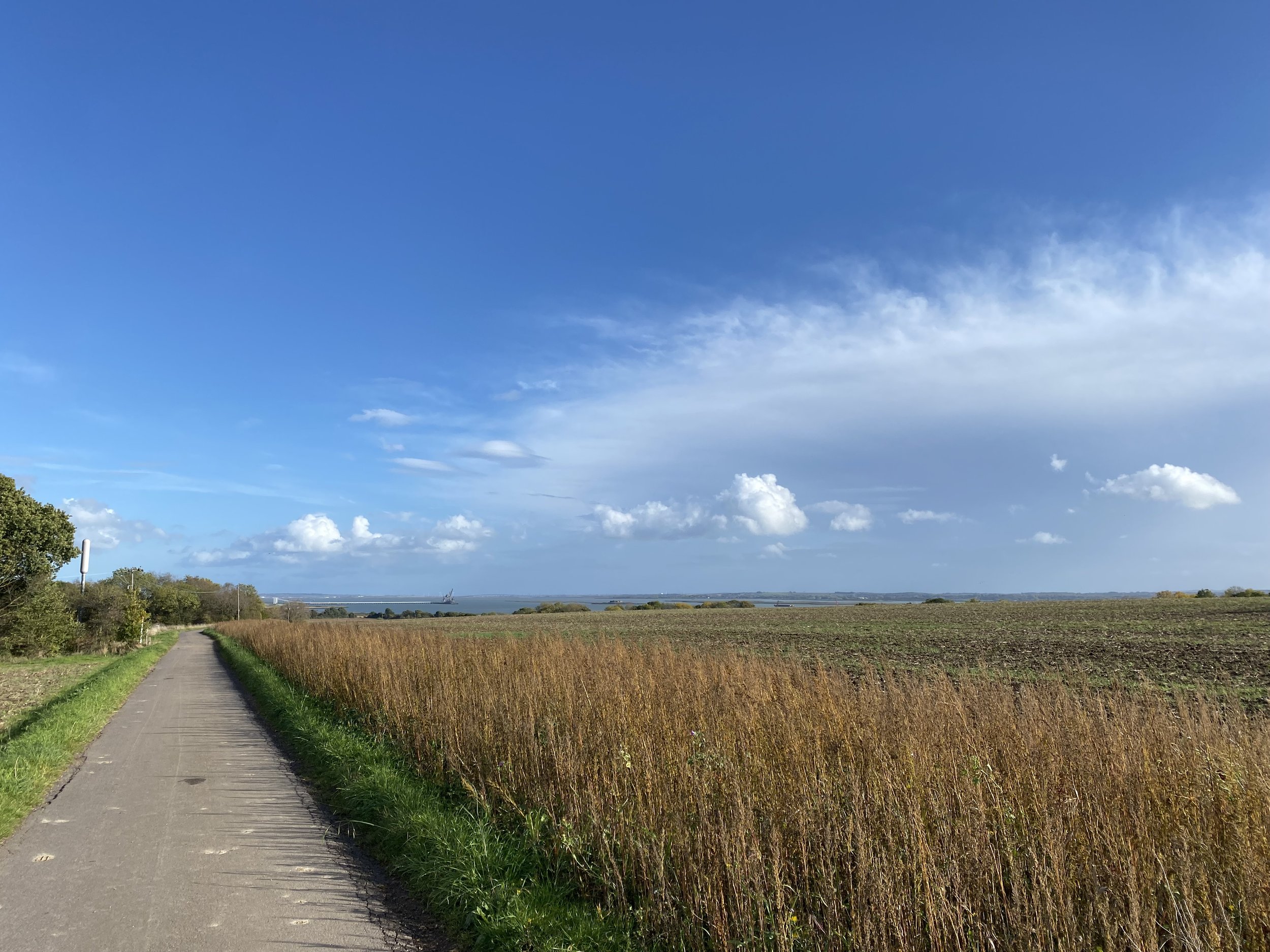
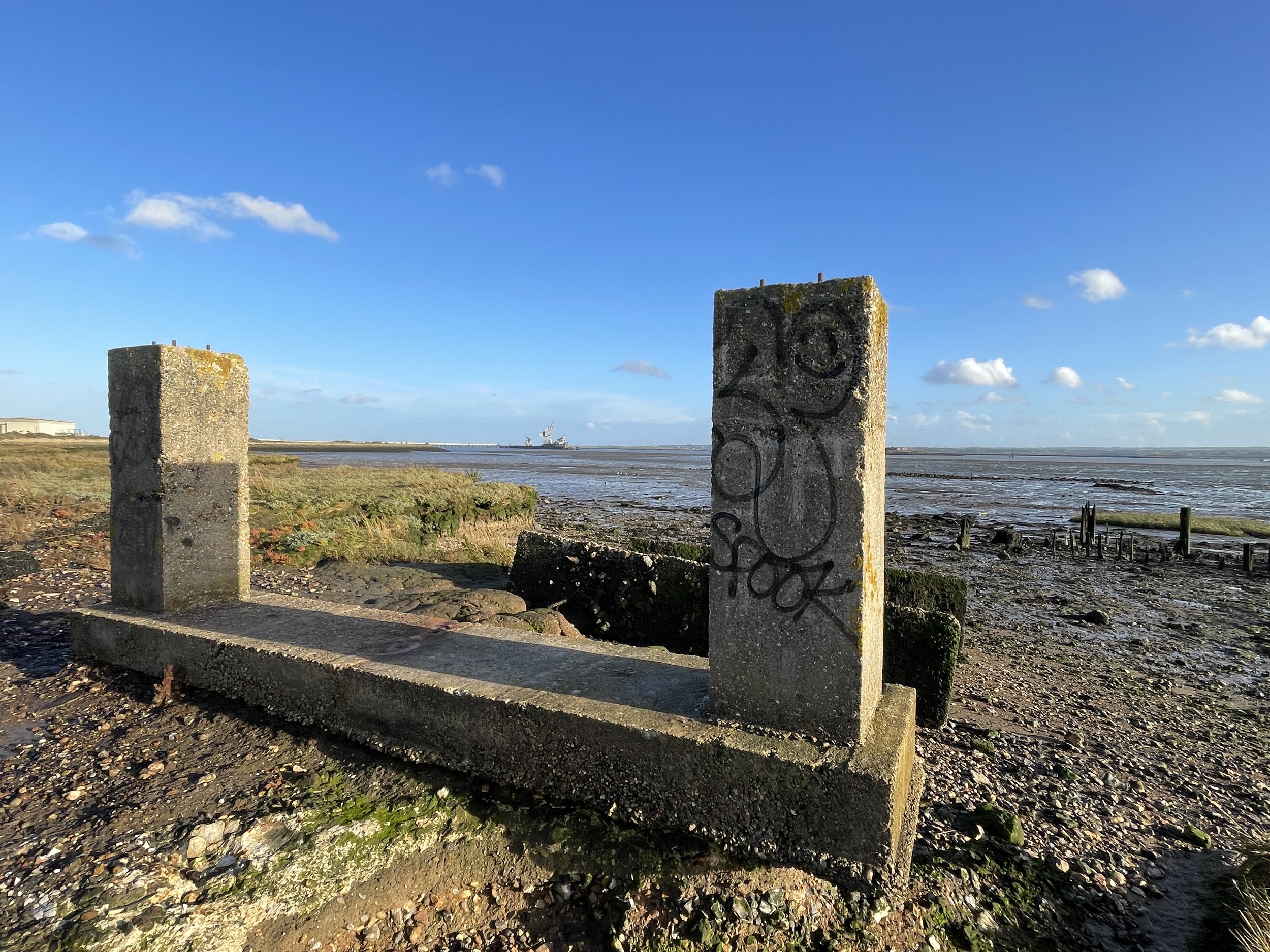
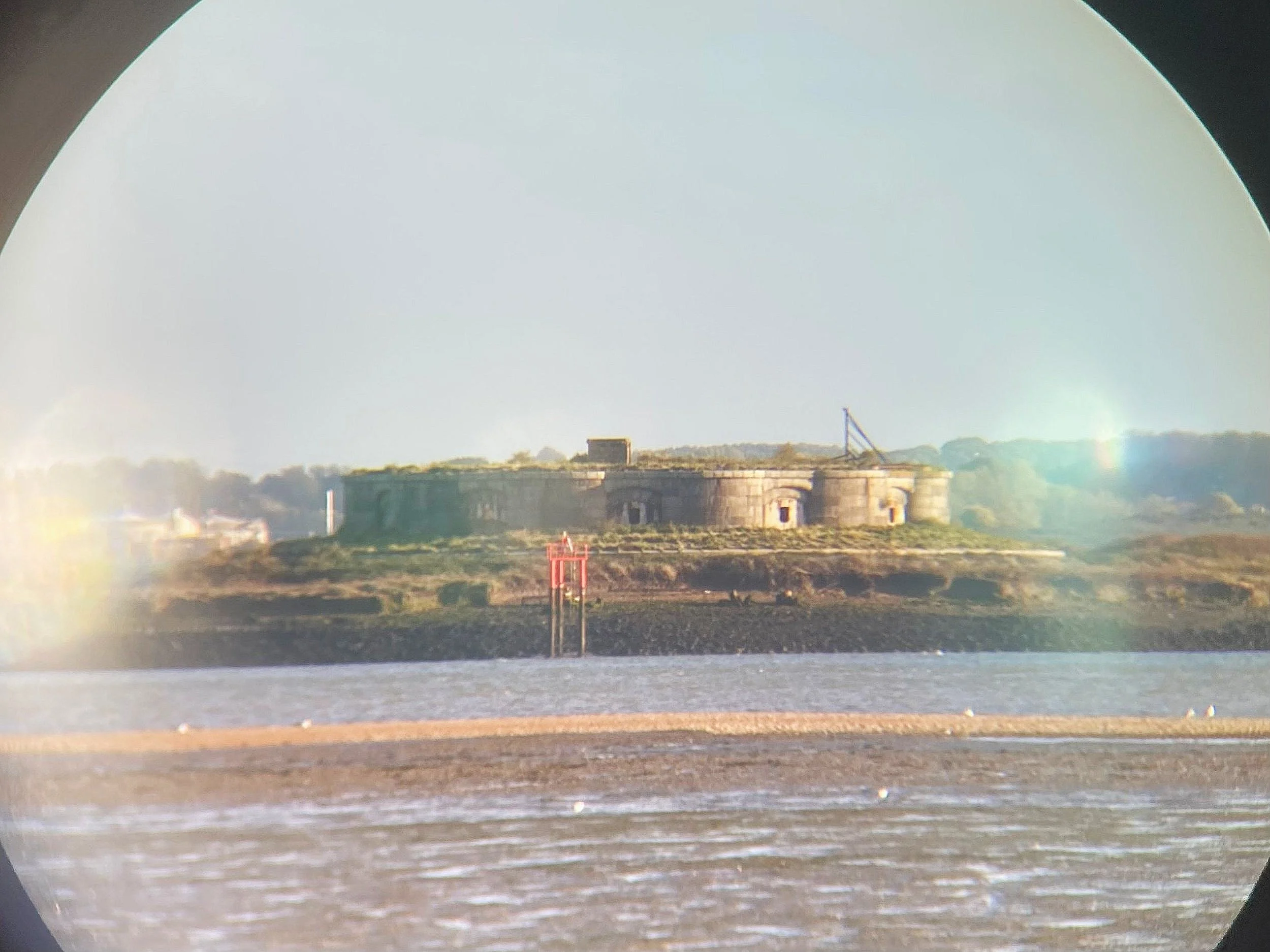
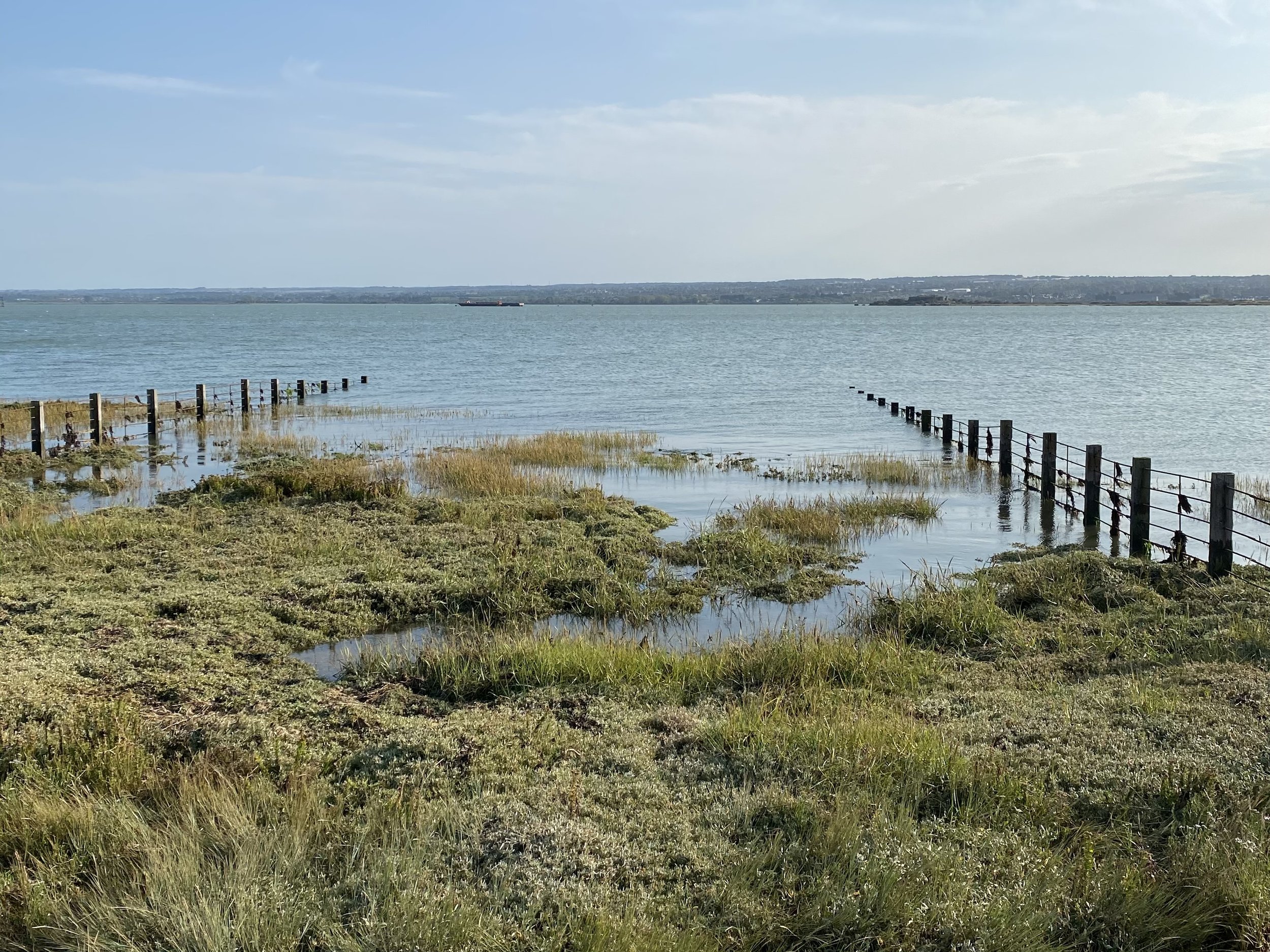
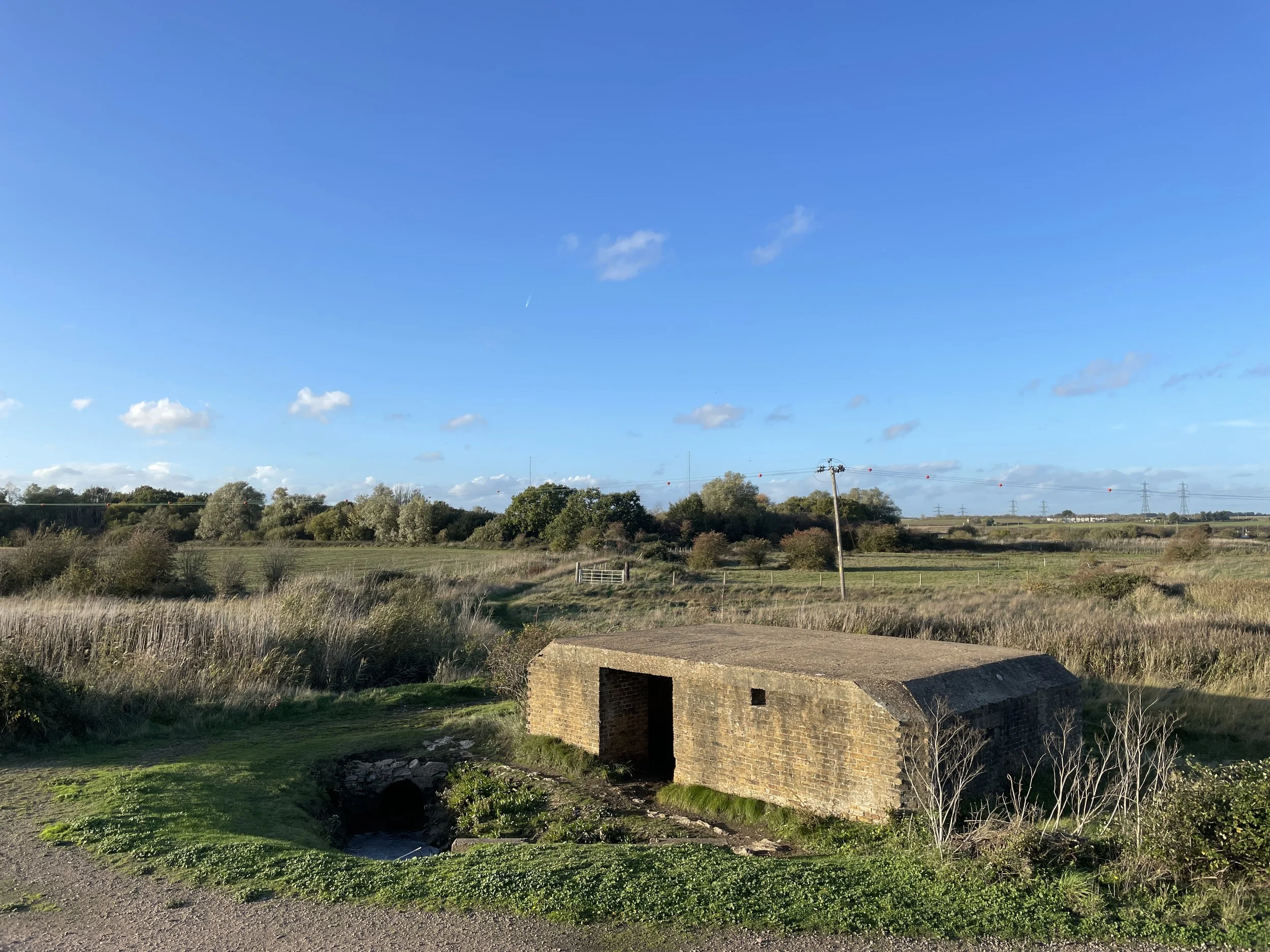
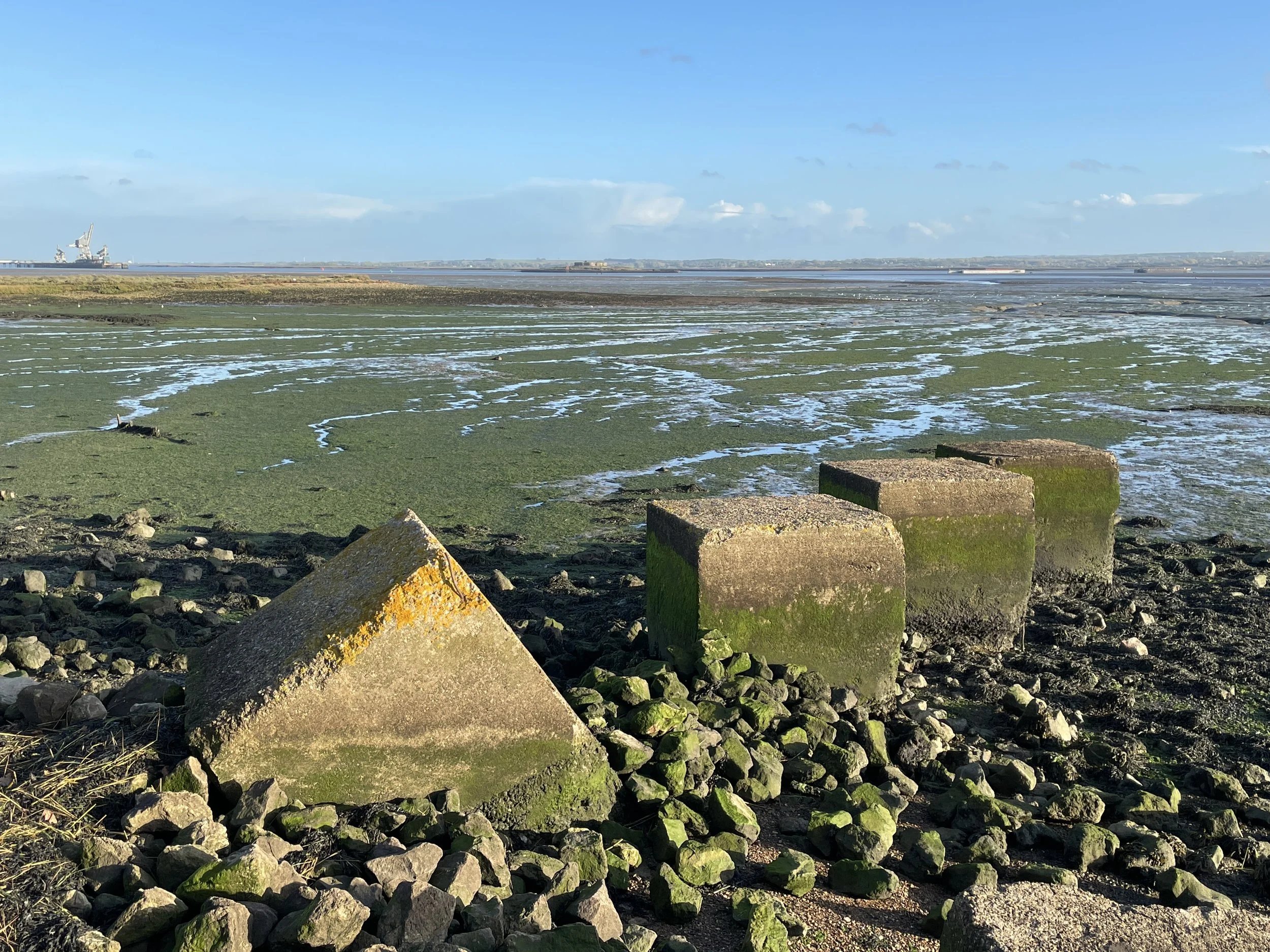
    The marshy coastline around here is an area of internationally important birdlife, including plovers, redshanks, avocets and shelducks. You can find more about what species are spotted when on the Ramsar Information Sheet which you can download here. Look out for Darnet Fort and Hoo Fort, out on the salt marsh islands in the estuary. Both were built in the 1870s as defensive points, and used for observation during WWII. Closer up, you can explore the pill box, ammunitions store and bunker busters left over from World War II. The latter were anti-tank measures to frustrate a possible Nazi invasion.

  6. Hoo Boat Graveyard

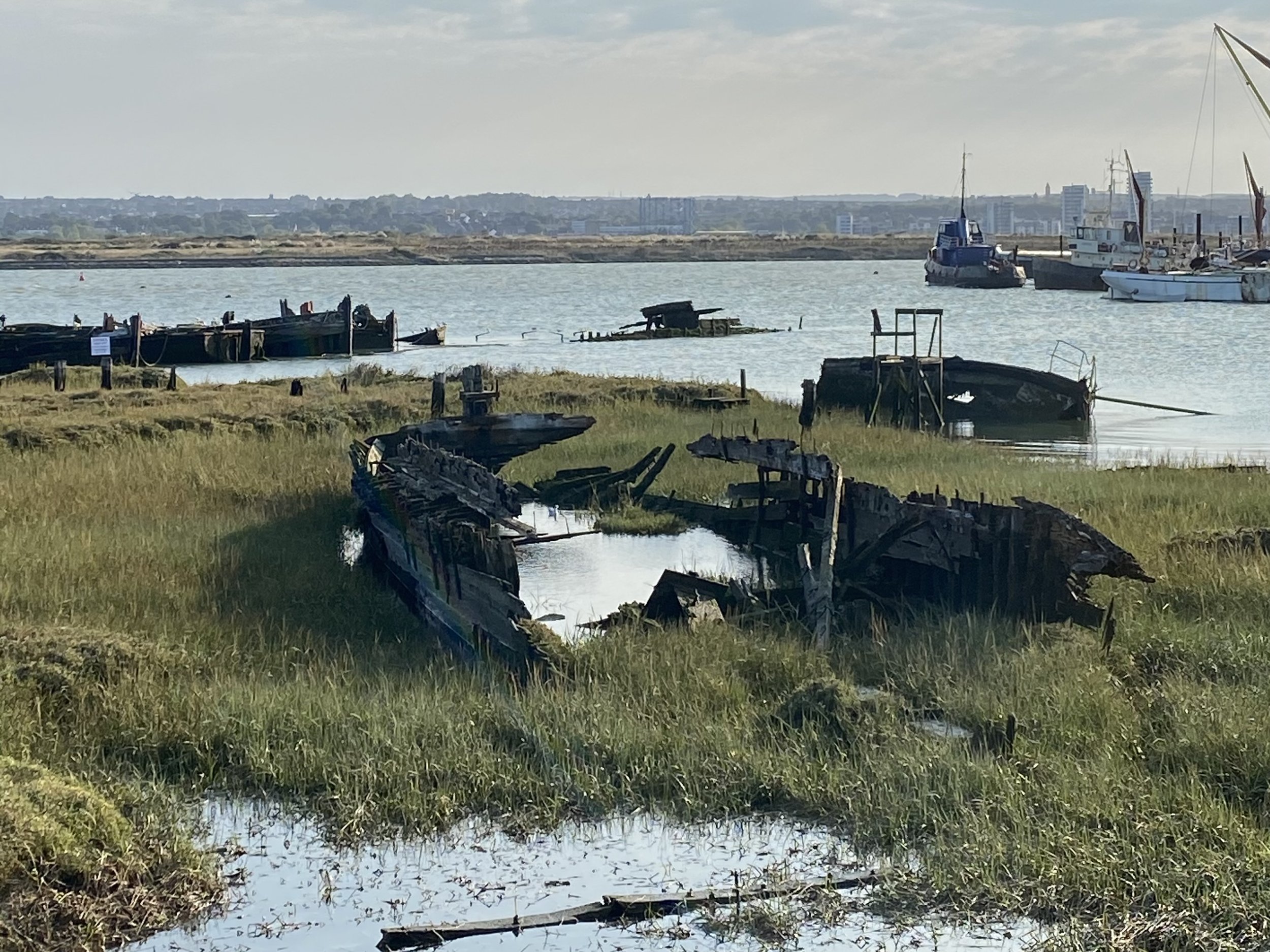
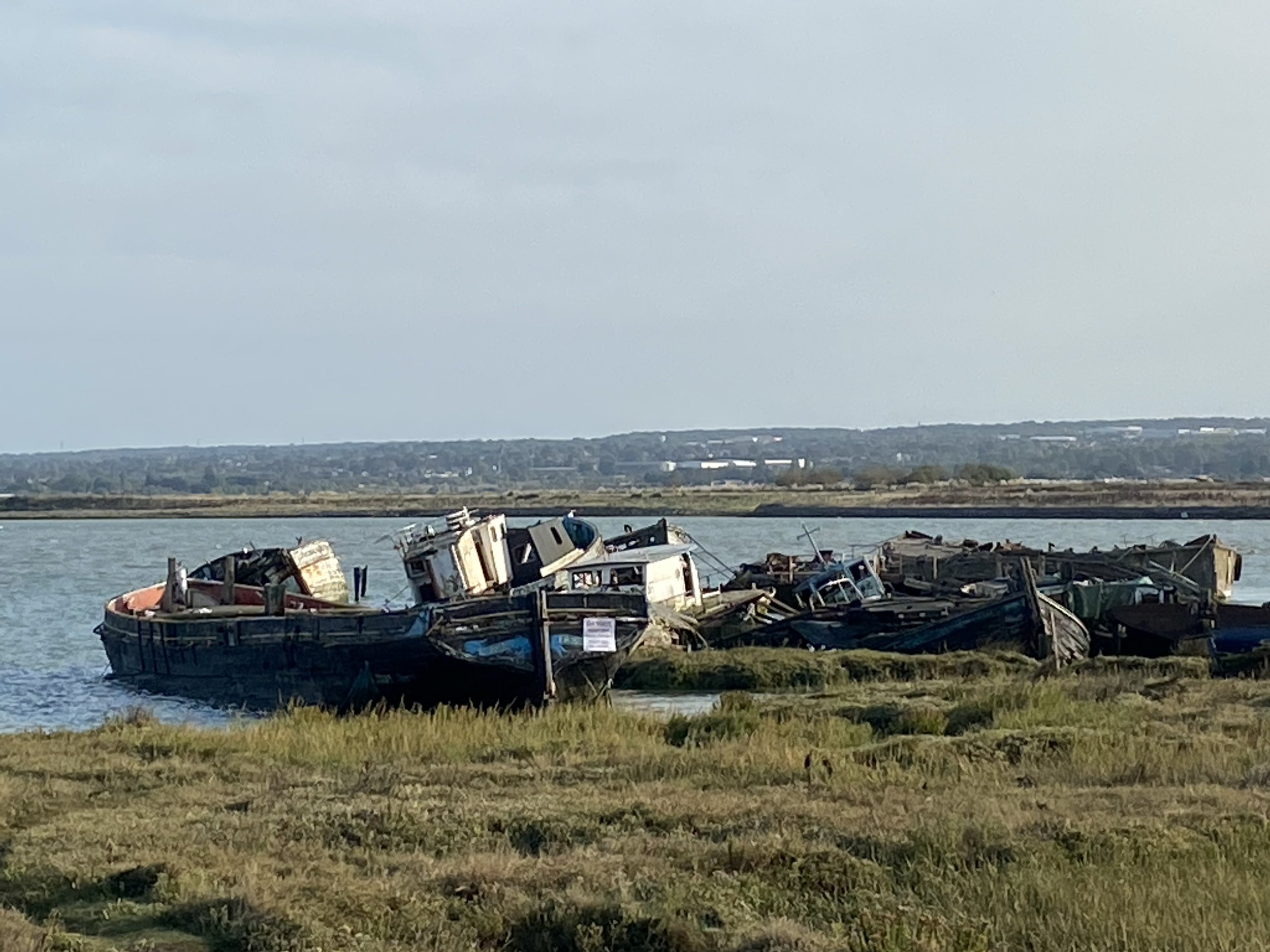
    Just before the marina, there is a cluster of about 30 abandoned boats and barges, quietly decomposing into the silts of the marshes. Most of them were large barges for transporting concrete up the river, but among them is the wreck of the Ena. It was one of the hero ‘little ships’ used in Operation Dynamo for the evacuation of Dunkirk in 1940, bringing back over 100 soldiers from the beaches.

  7. Cockham Wood Fort

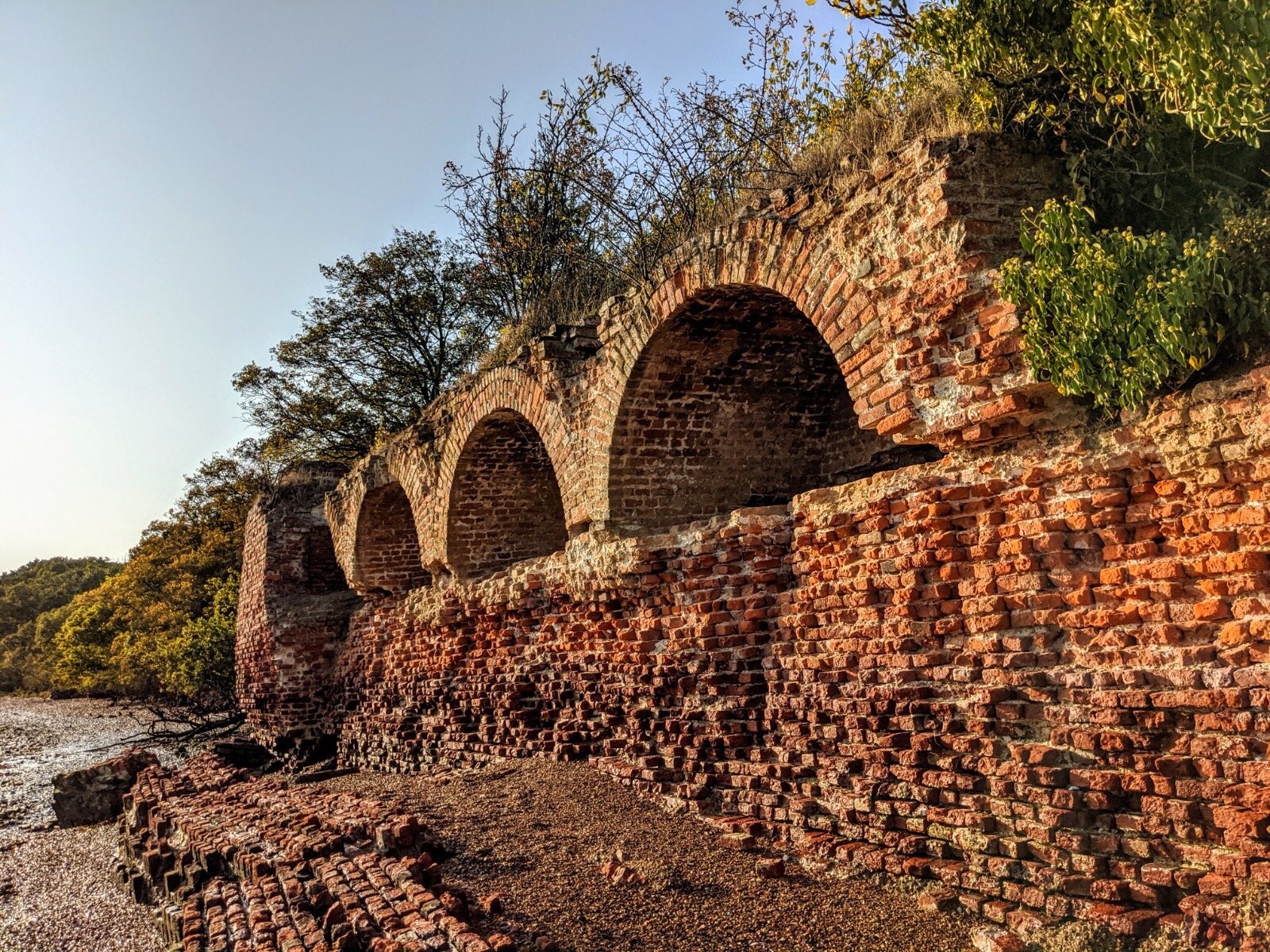
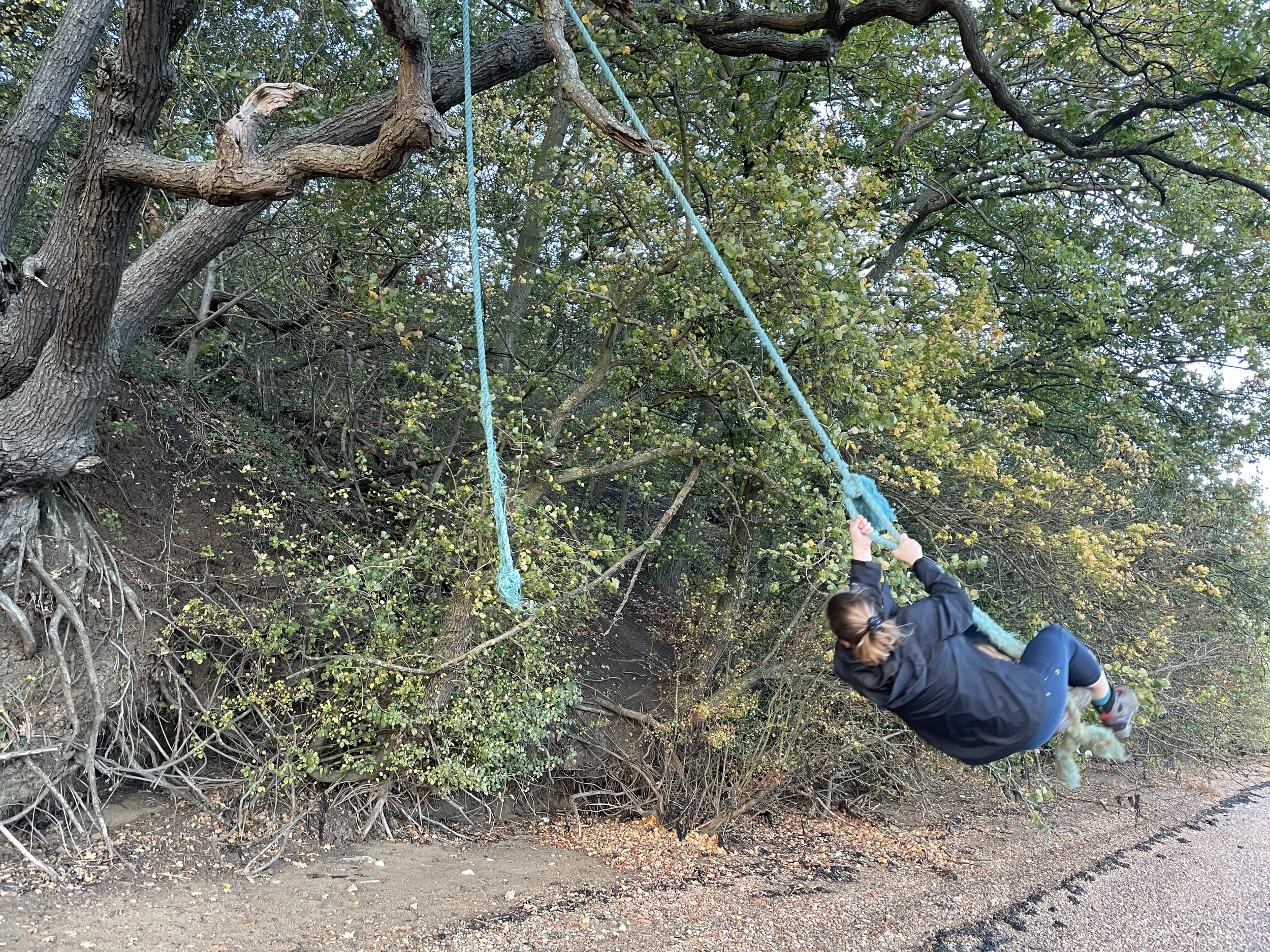
    Not a wooden fort, but one named after Cockham Wood. It was build in 1669, after the Dutch attack on Upnor Castle proved the weaknesses of the river defences. Not much remains but the gradiented red bricks of the lower battery, which look incredible in evening sunlight. When we visited there was a huge beehive built into the sand ridge just beyond the fort, and a makeshift swing tied to a tree just beyond, which was lots of fun.