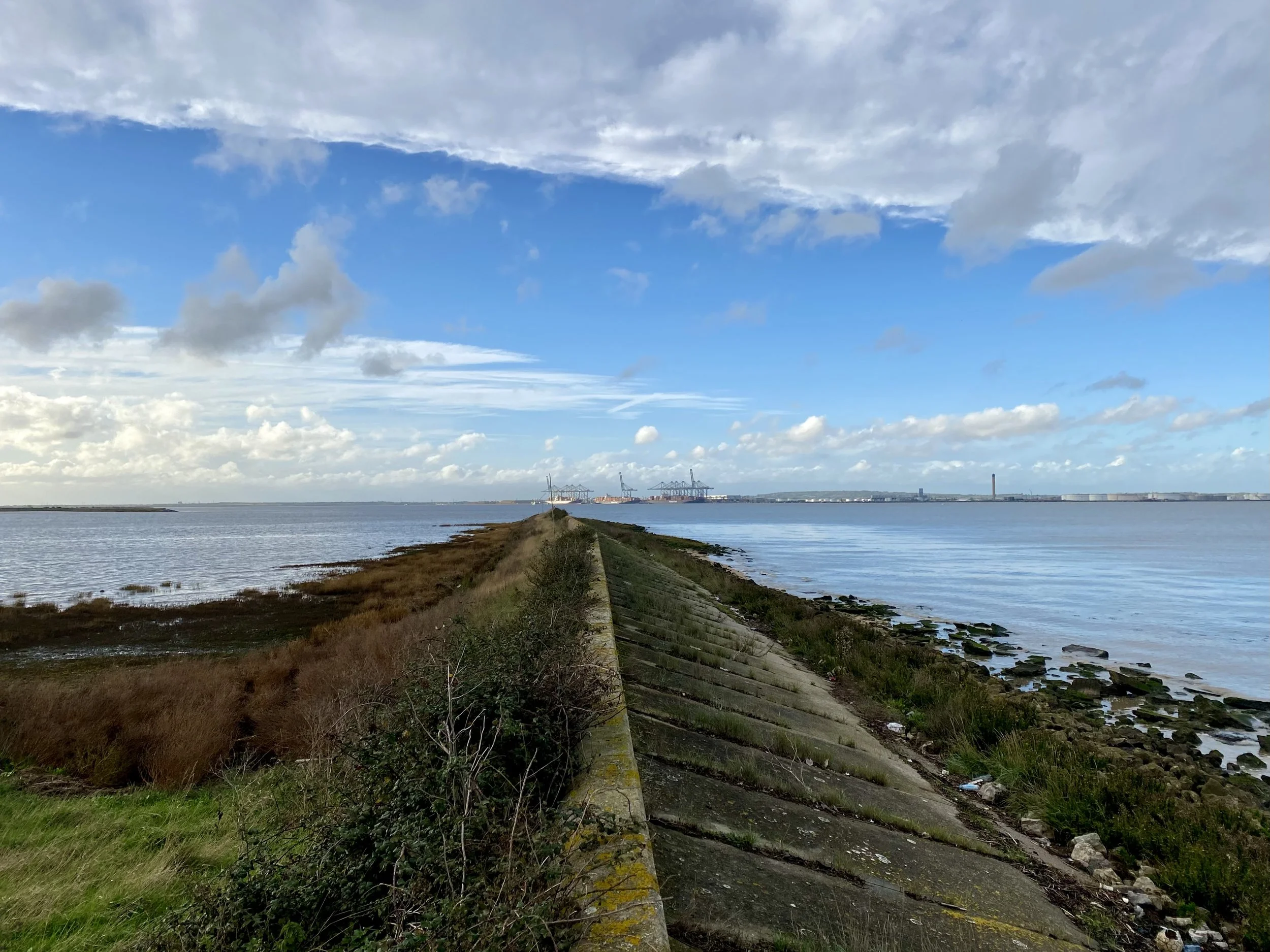
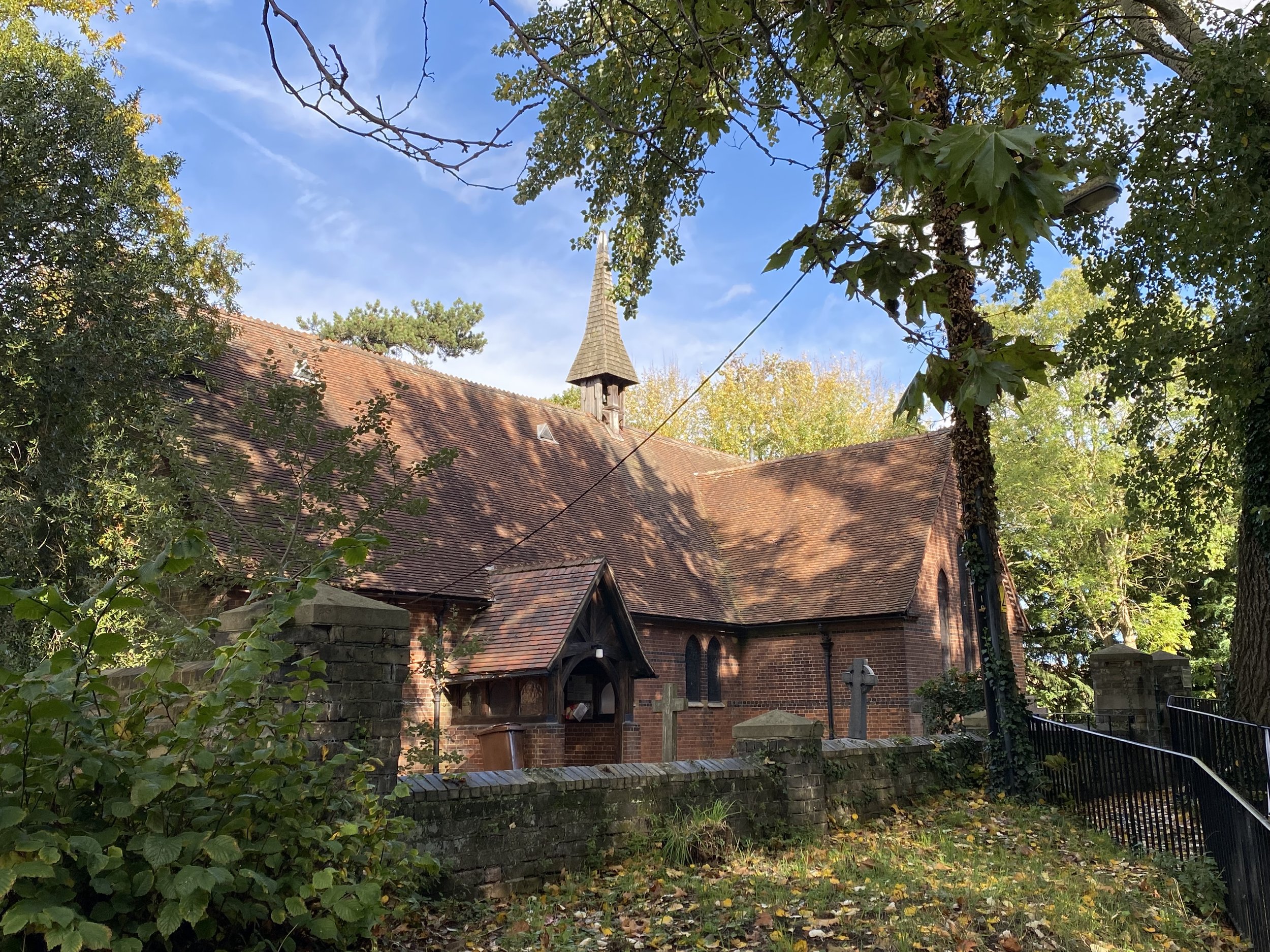
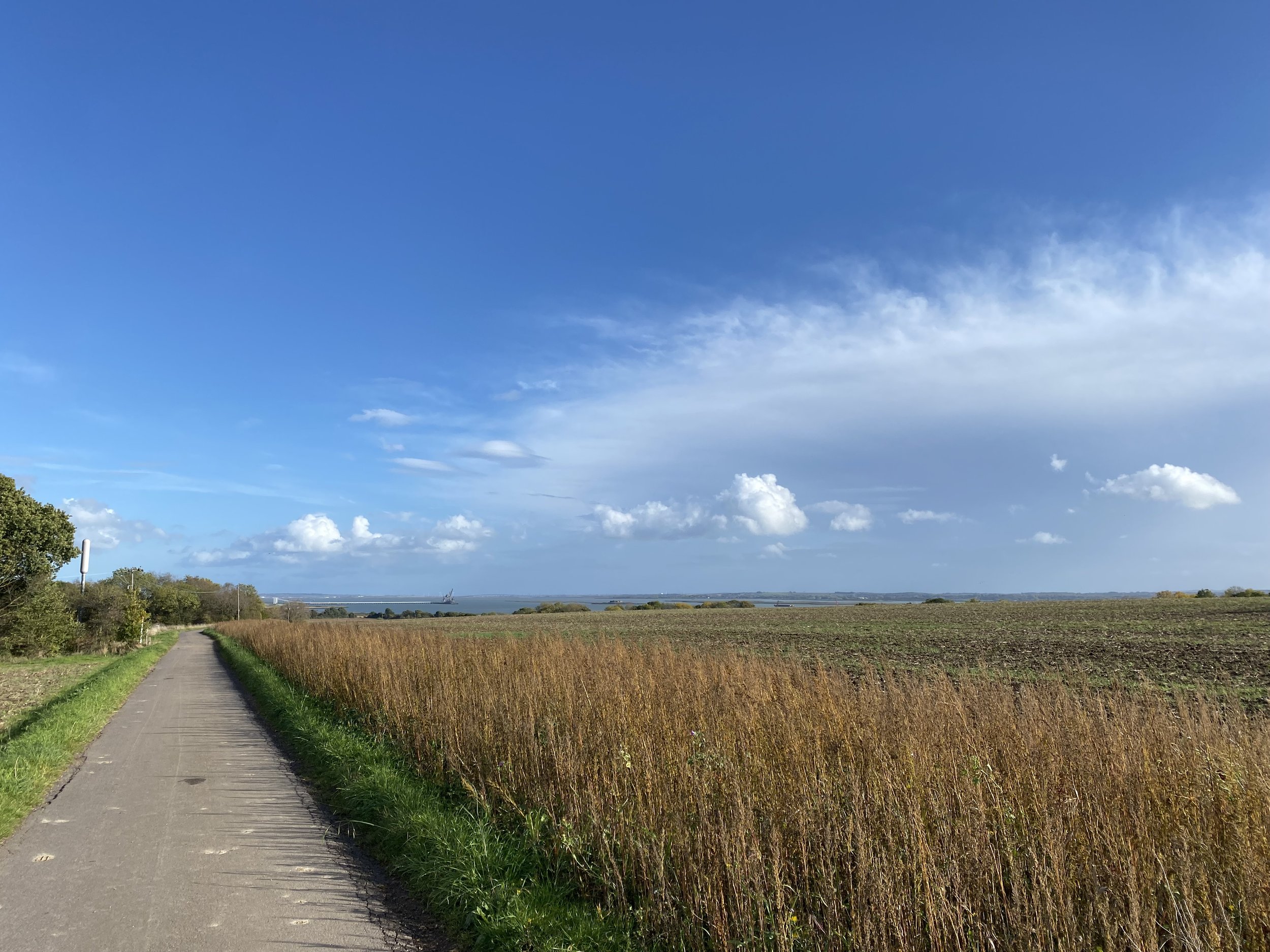
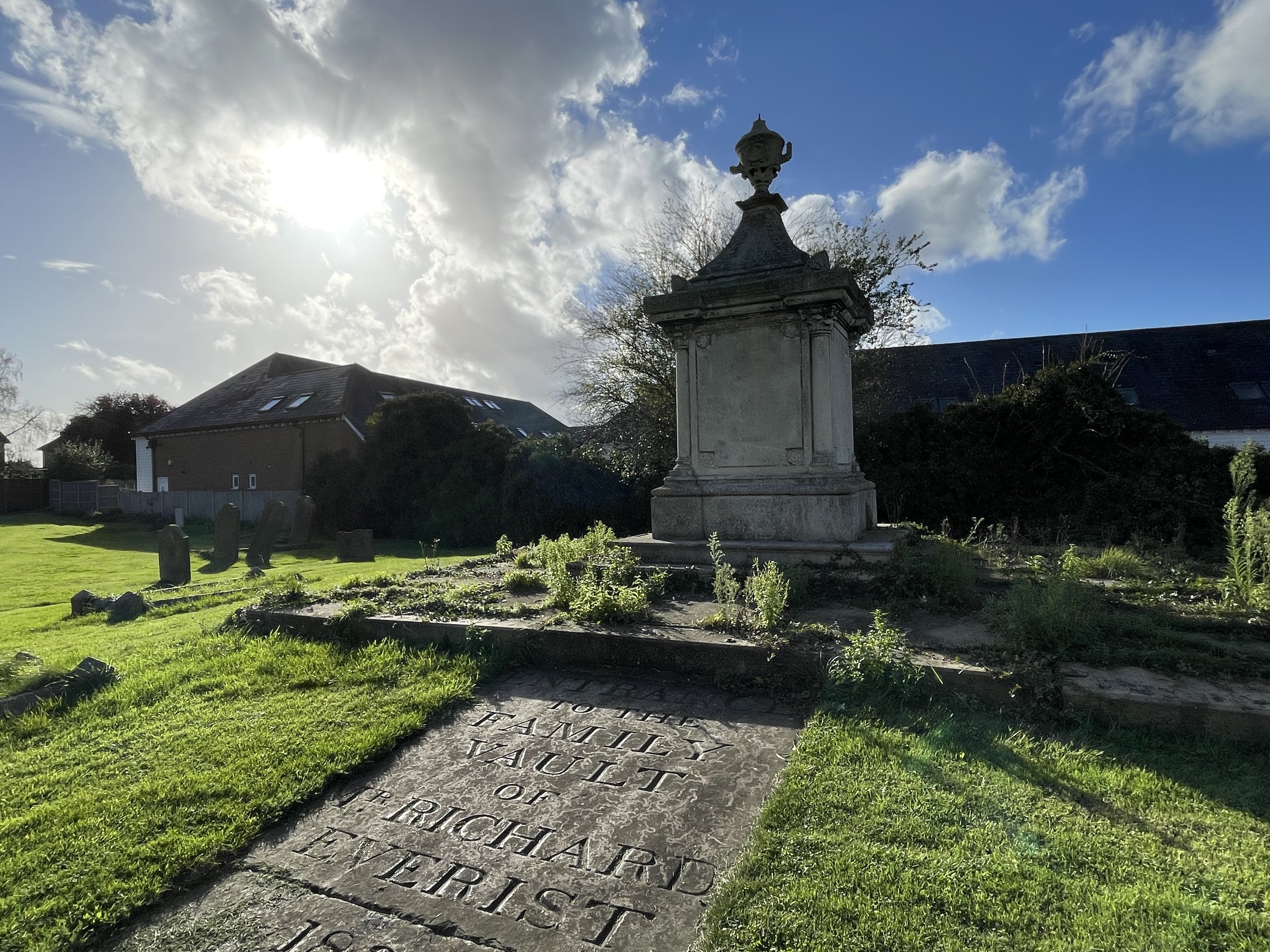
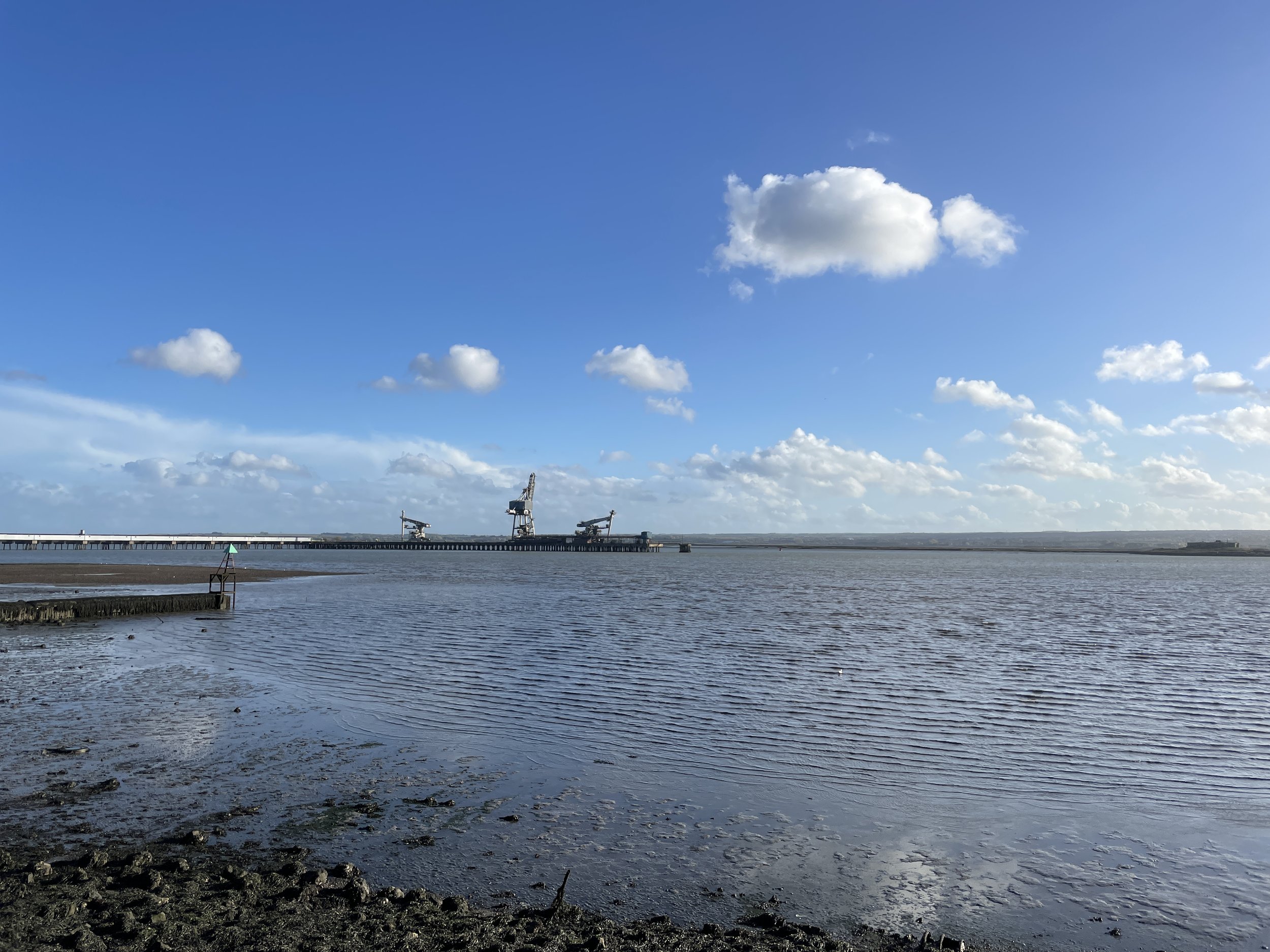
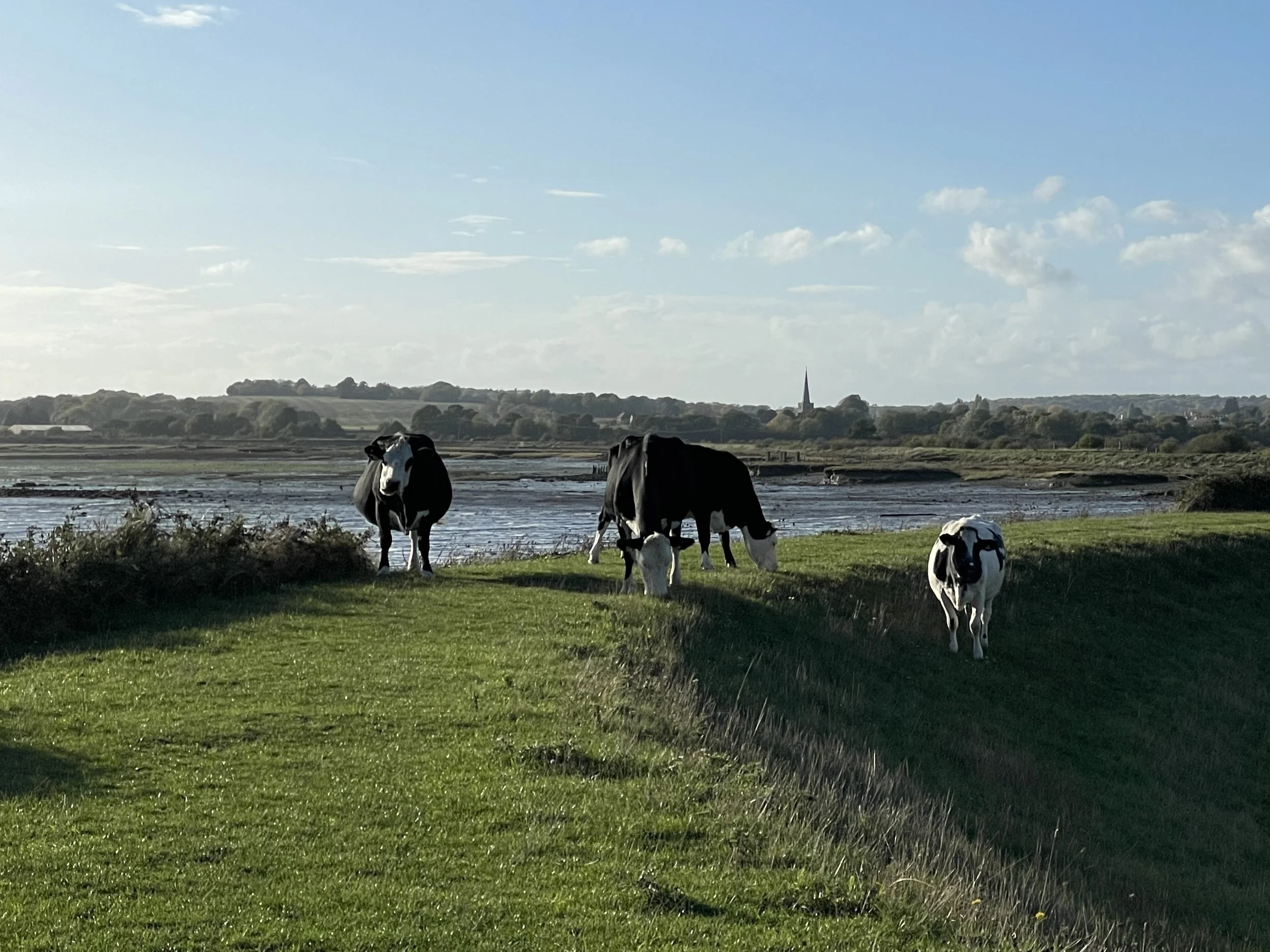
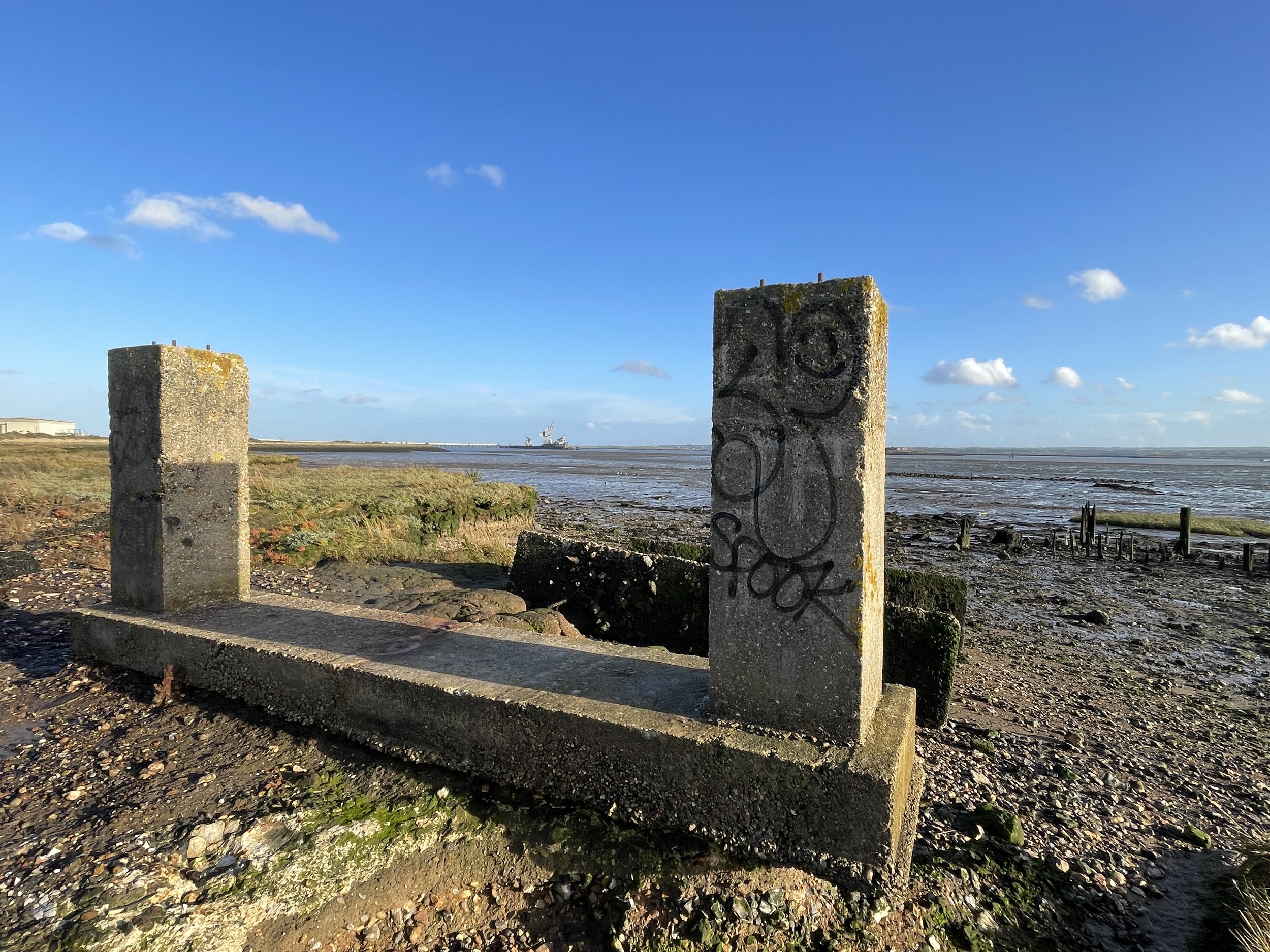
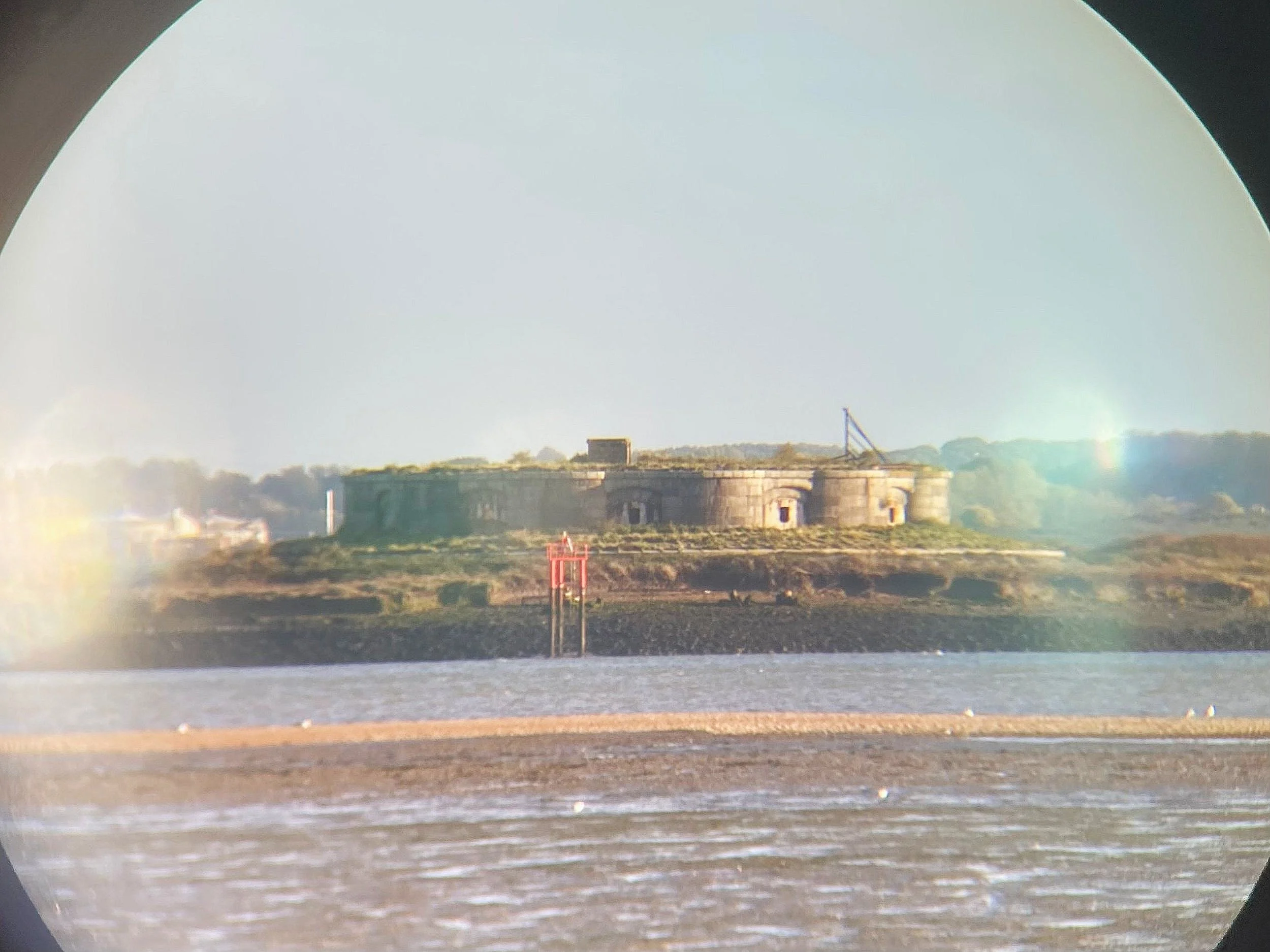
The old church at Cooling stands on slightly raised ground. It couldn't be described as a hill, even for these flat lands, but still from the graveyard I can see out to the marshes. The distant cranes of the London Gateway port mar the north horizon, but otherwise this ancient landscape doesn’t feel so very different from what Charles Dickens saw as he wandered this churchyard, plotting the opening chapter of Great Expectations.
This is the church where Pip, his face stained with tears for his late ma and pa and the five little stone lozenges that represent his brothers, met Magwitch, recently escaped from the prison hulks that moored in The Medway to the south. There’s actually 13 stone lozenges around the double gravestone - maybe eight of them came after Dickens, or maybe Pip’s lot was precarious enough without a baker’s dozen of deceased siblings to compound things.
In the fields beyond, the cherries have long since been harvested and the trees left to winter, but the trappings of the working farm are still visible. There’s a bumblebee hive recessed into the hedge, and the haystack piled as high as a barn.
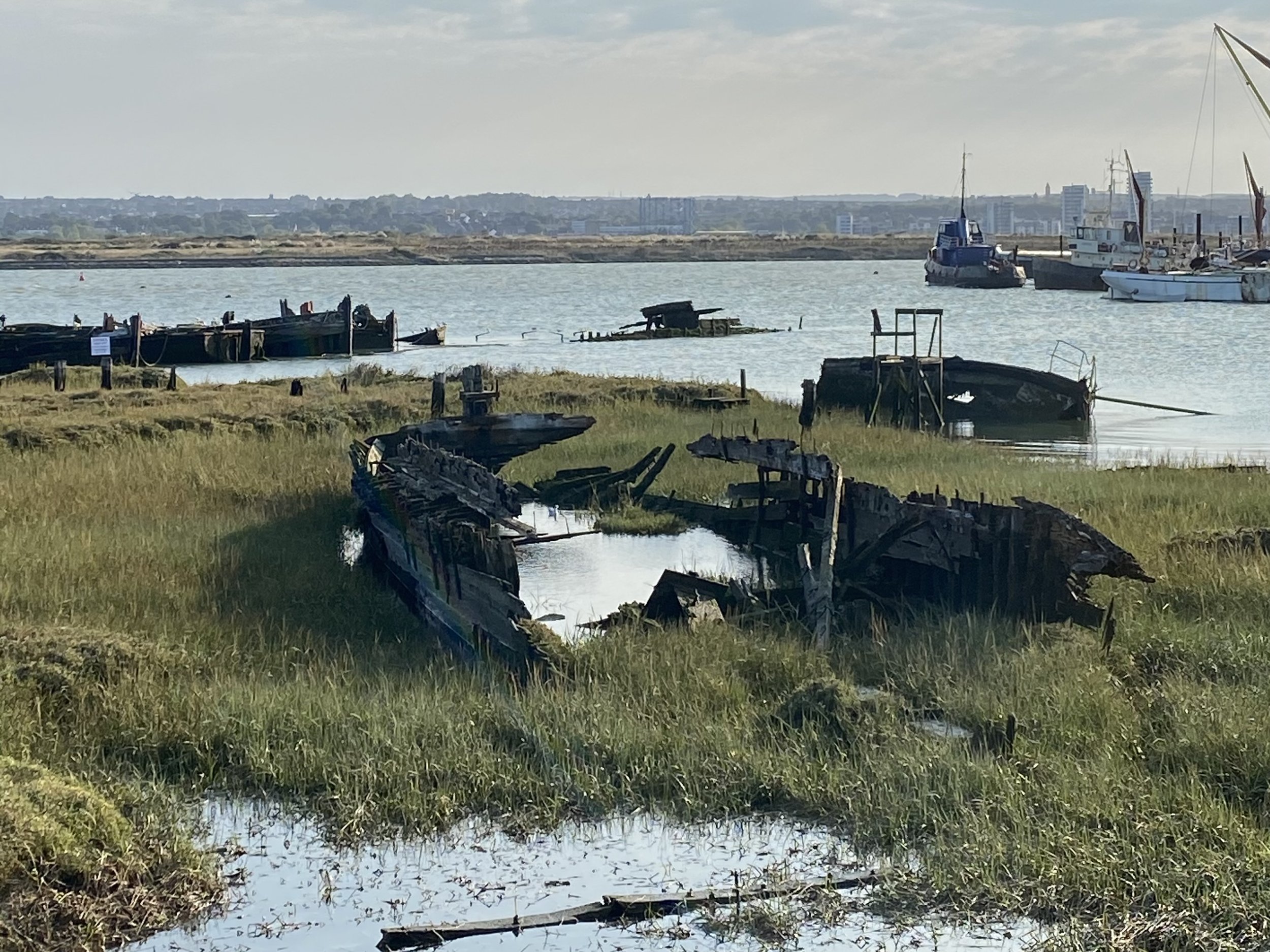
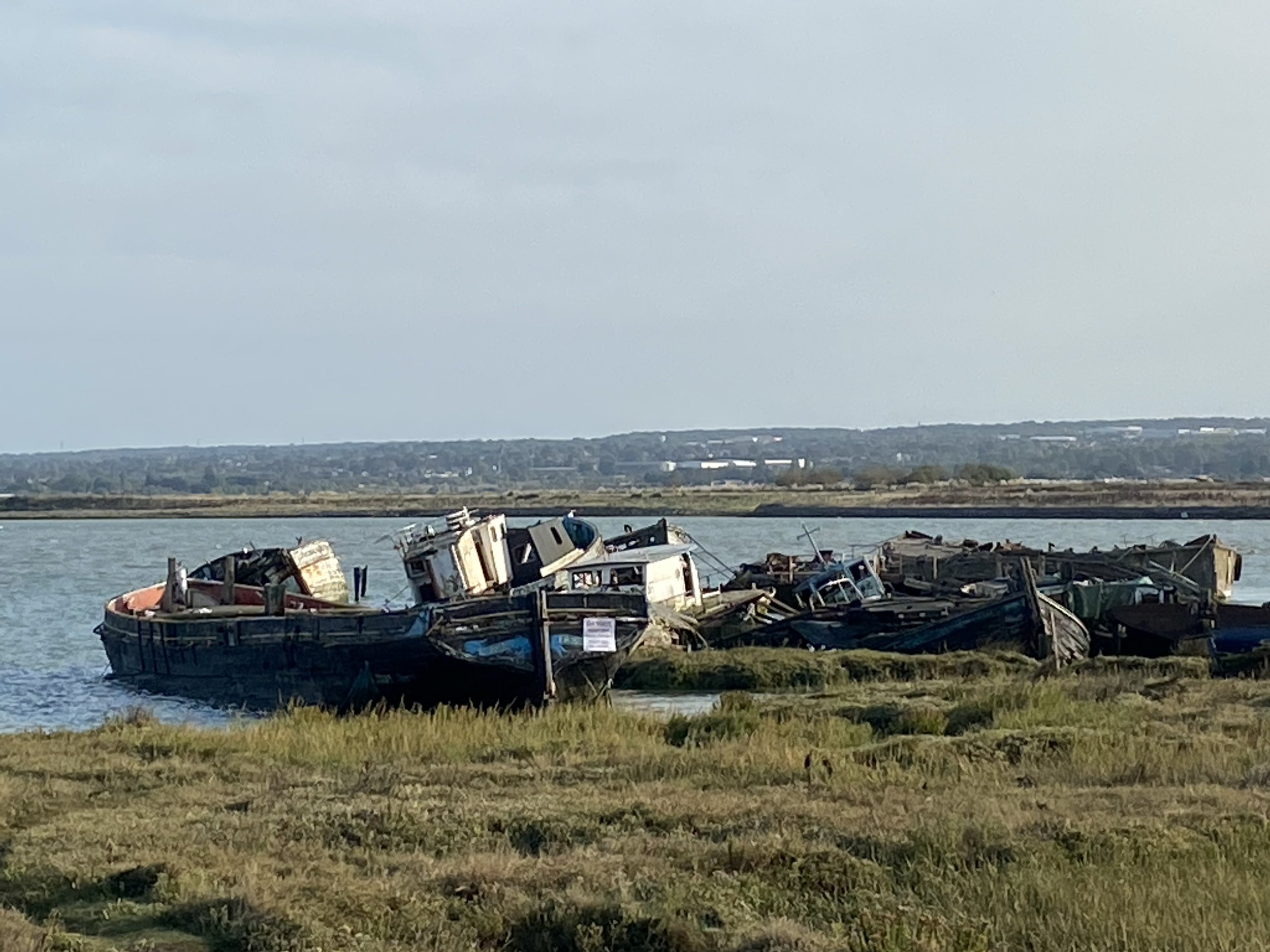
Cliffe is a village notable for its lack of anything approaching a cliff. Beautiful, old clapboard houses abutt newer 1960s council homes and it’s quiet, with a bit of an end-of-the-world feel. And as we take the unassuming footpath from Wharf Lane, the world does indeed end.
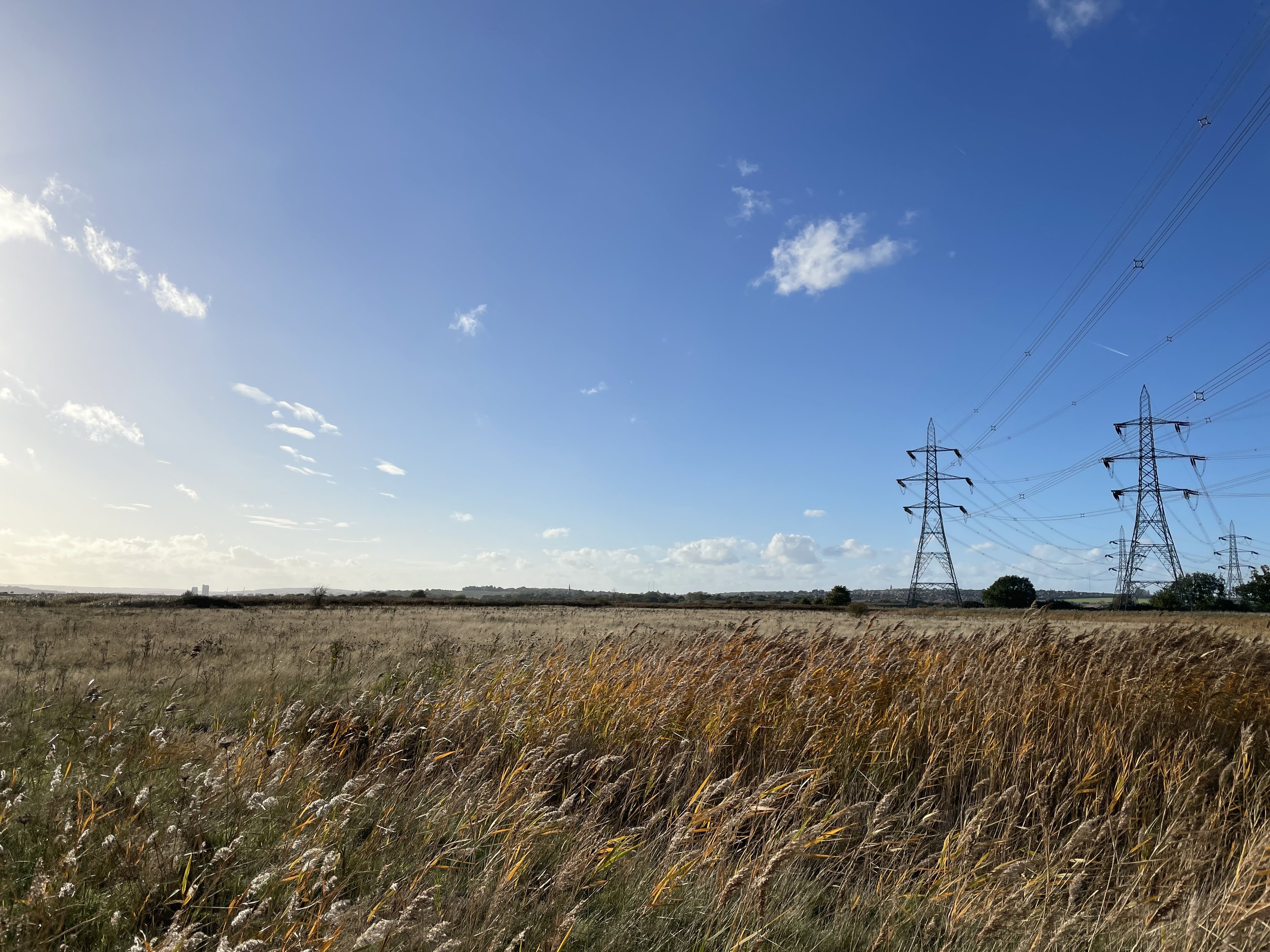
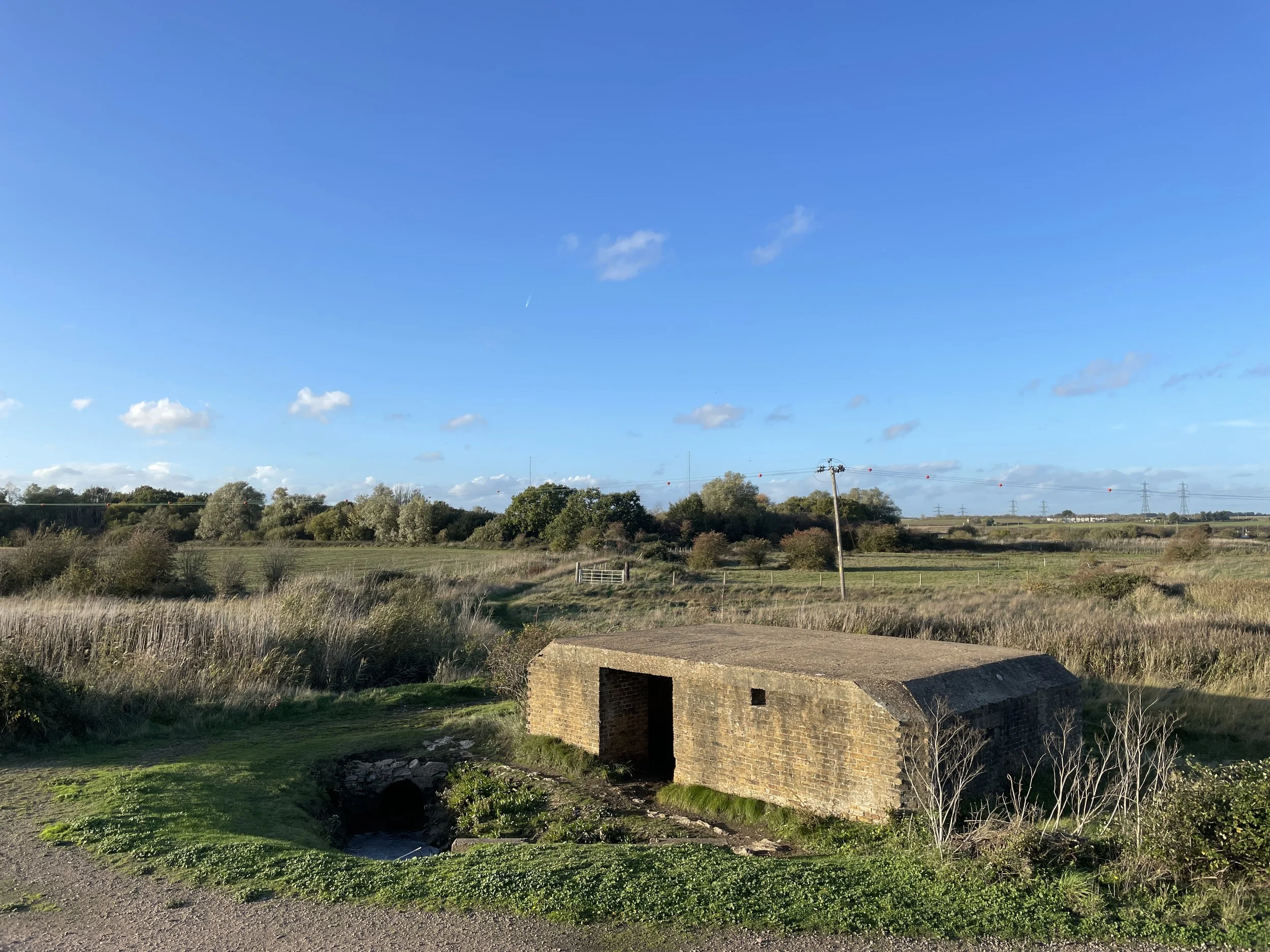
This is one of those places that is difficult to believe exists so close to the capital. It has the feel of the Norfolk Broads, or something even more remote. It was used during the filming of Full Metal Jacket to represent Vietnamese paddy fields.
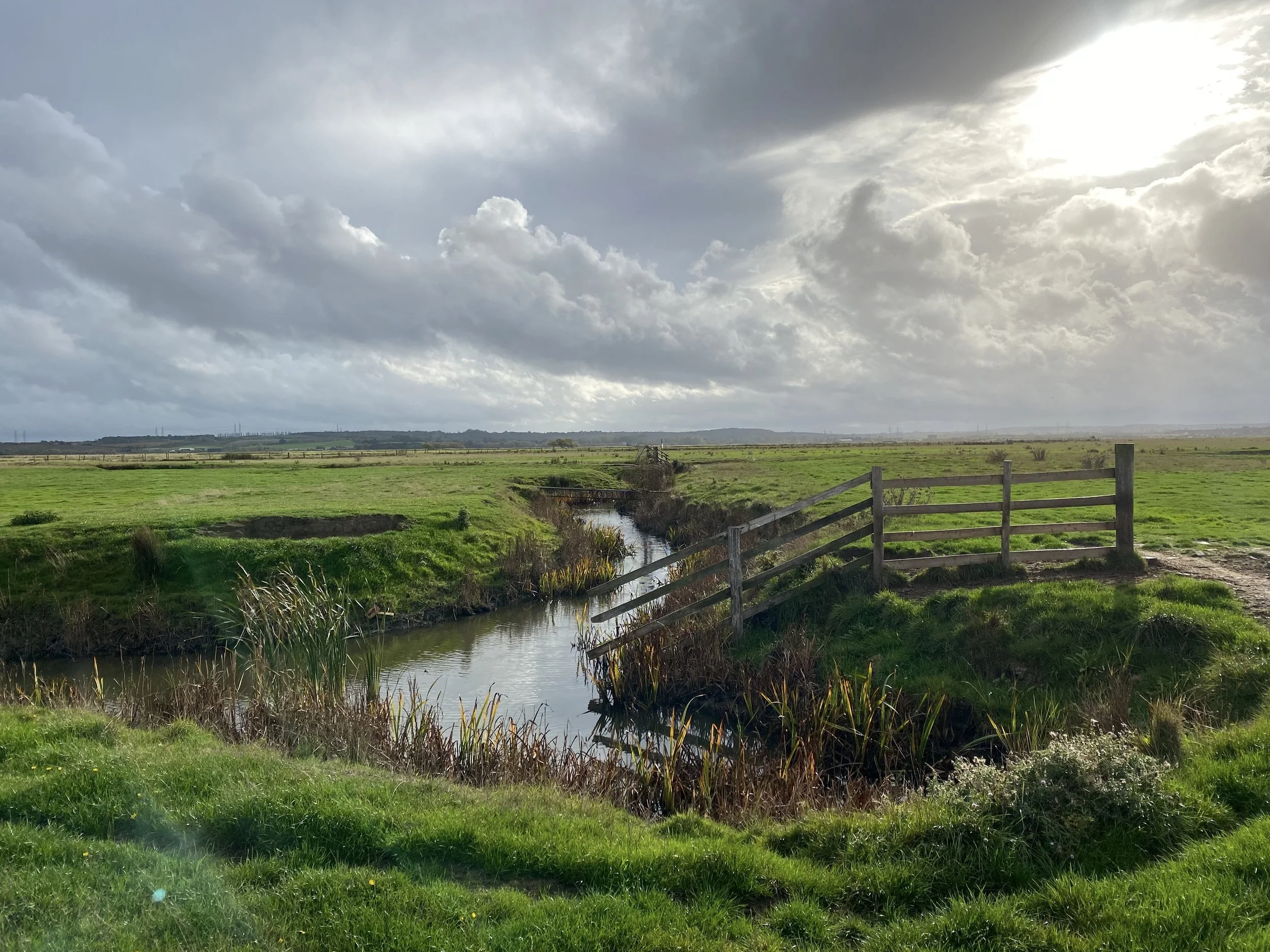
Following the course of the fleet out into the wilderness, we startle a heron, who blusters up into the leaden sky to find a quieter patch to fish upstream. In the distance, I see a marsh harrier gliding along the parallel fleet, marking out the next crossing. Between me and the harrier, sheep look up in surprise, but the piebald horses continue to much the grass undisturbed.
The path is indistinct - it’s easy to take a wrong turn and find yourself hemmed in by ditches. Some gateways are barred with cross signs about private land and prosecution (which seems a little harsh in such a remote place), but there is a way through, across the smart little wooden bridges and the reed-filled fleets.
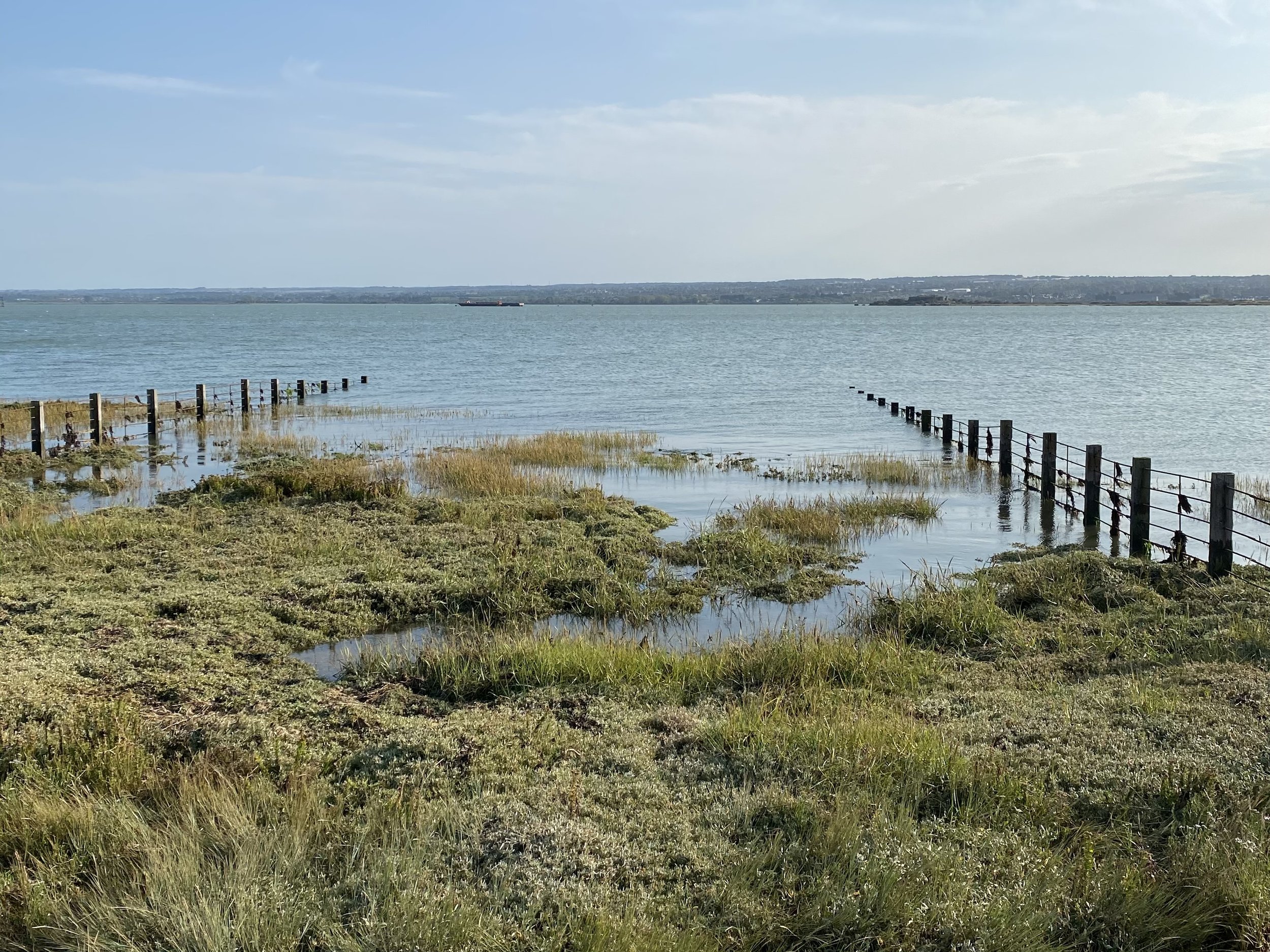
A sapphire kingfisher glitters out from the last bridge as we approach the cow barn at the edge of the marsh. There’s a levy up to the salt fleets beyond, with a slipway down to the water - a great place to pause and look for
What to see on the route:
St James’ Church, Cooling
The church that inspired Charles Dickens would have been ancient even to him. It’s 13th Century, the top of the tower added in the 14th. Since 1976 it’s been redundant, now in the care of the Church Conservation Trust, so you should find it open. You can even champ there (camp in the church), in case you’re looking for a place to stay. Look out for the blocked up north door, which still has the timber door on the inside. Inside the vestry, the walls are decorated with cockle shells - the symbol of St James - and there’s also a shell on the weather vane.
Cooling Castle Gatehouse and remains
Built a little later than the church, in the 1380s, to defend this stretch of coastline from French invasions. Originally it was on the river bank. Now, due to land reclamation, it’s nearly two miles inland. You can’t visit the castle because it’s on private property (it’s owned by musician Jools Holland), but you can see the impressive gatehouse and some of the towers from the road. It’s marked with a plaque which translates to:
Know [those] that are [living] and shall be [living]
That I am made to help the country
In knowing of which thing
This is [a] charter and witnessing.
Which was probably to reassure the locals that it was a defensive castle, not one built to oppress them.
St Helen’s Church, Cliffe
One of the biggest parish churches in Kent because this sleepy village used to be so important. In the past Cliffe has had a port, a railway and even a canal. In the corner of the churchyard is the Chanel House where bodies dragged from the Thames Estuary used to be stored.
Salt Fleet Flats Nature Reserve
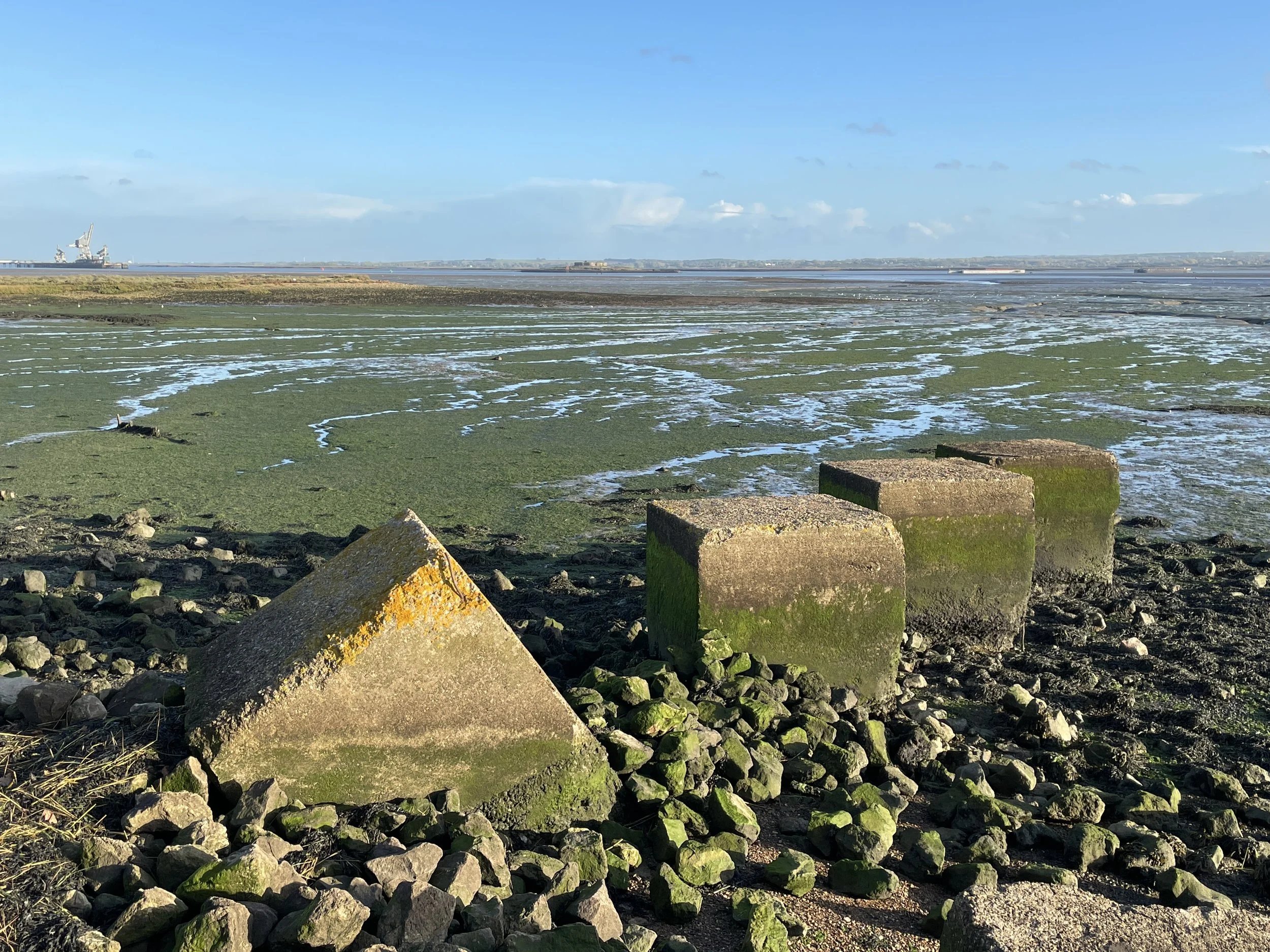
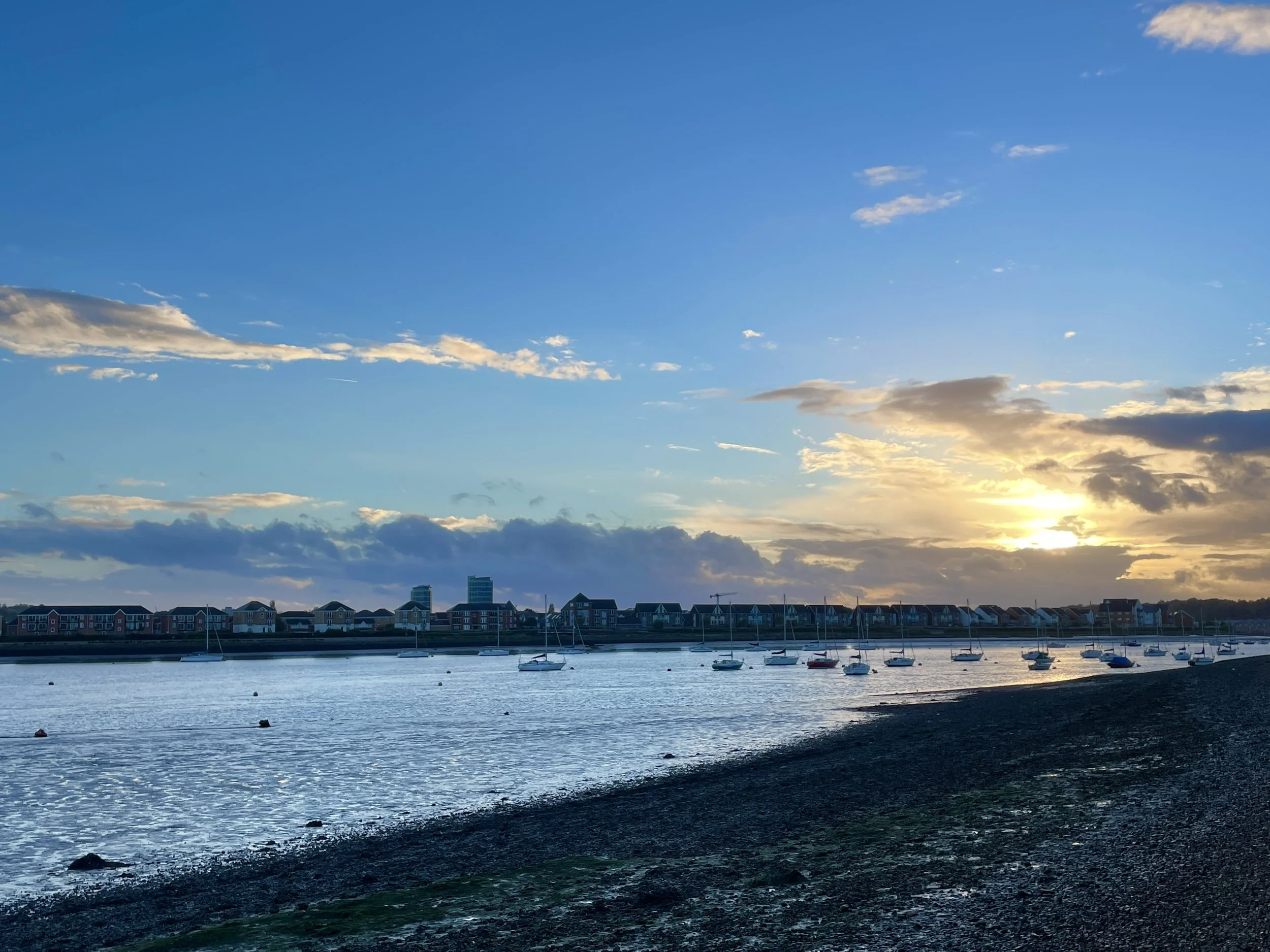
This intertidal mudflats nature reserve was created in 2016 and an environmental offset site to compensate for habitat lost to the London Gateway Port opposite. It’s a great place to sit and watch birds dancing in flocks above.
RSPB Northward Hills Nature Reserve
As the land rises along what was once the coastline here, much of the land is managed by the RSPB, with viewpoints and bird hides at intervals. Marsh harriers, grey herons and lapwings are common, in April/May you can hear nightingales and towards dusk there are short eared owls.